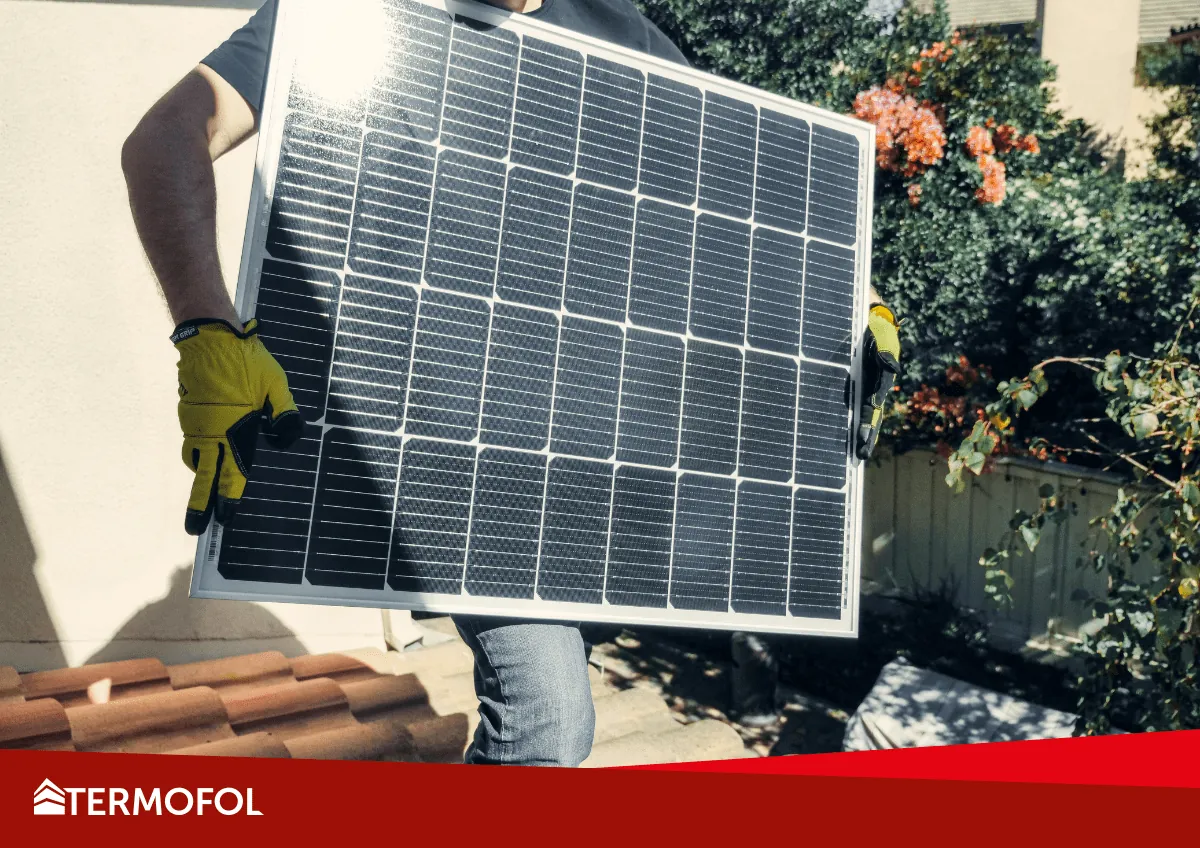
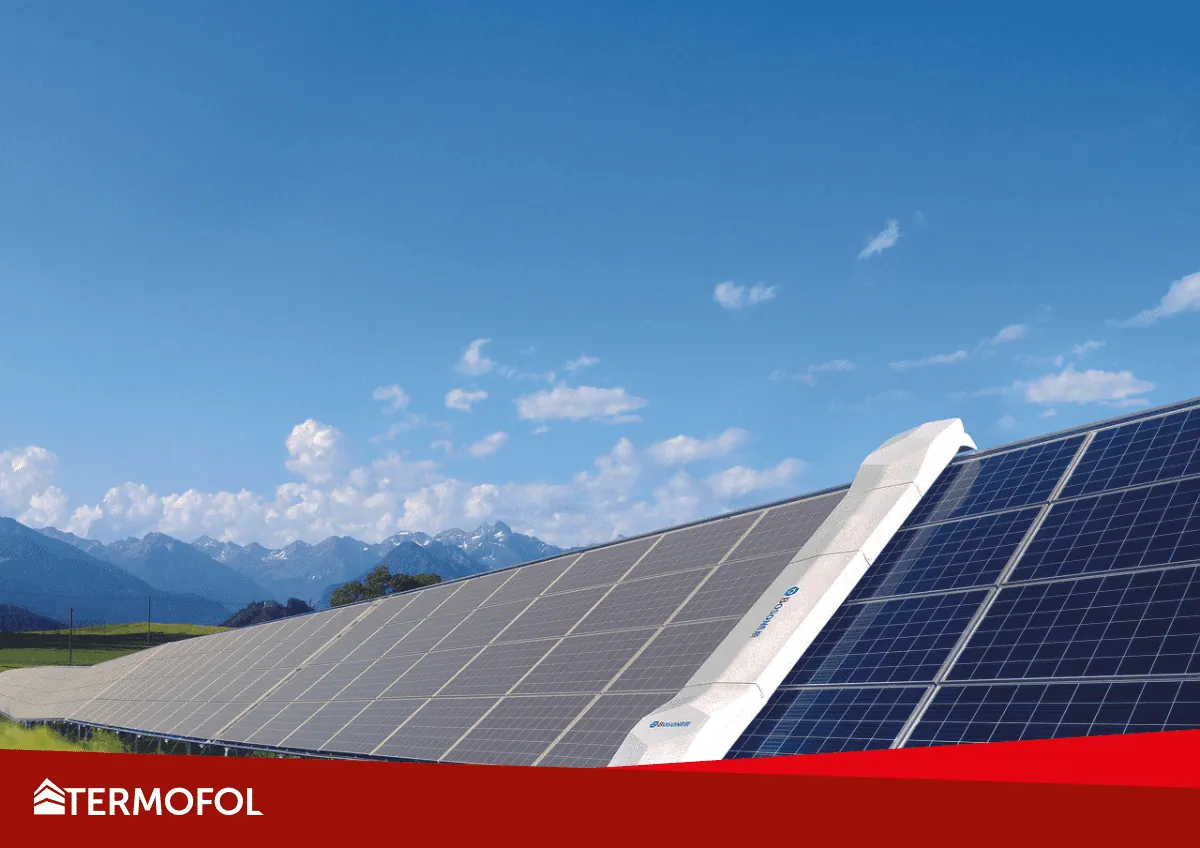
The trend for solar energy is far from over, and many people are still choosing to install panels on their roofs. Many of them wonder whether a permit is needed for this investment?
Photovoltaics – legal regulations
Photovoltaics became a salvation for Poles from high electricity prices at one point. It’s no wonder, since solar energy is free. Although the photovoltaic industry in Poland has somewhat shrunk, partly due to changes in the settlement system introduced two years ago, known as net-billing, it is still an effective way to save on electricity bills.
Homeowners interested in investing in ground-mounted photovoltaic panels or roof installations should first learn about the photovoltaic regulations in 2023, specifically what permits they need to obtain in order to install them without any obstacles.
The previous settlement system, known as net-metering, led to a massive increase in the installation of photovoltaic panels by Poles. It was profitable from the perspective of prosumers, i.e., individuals who generate electricity from renewable energy sources. It allowed for electricity production during peak times, namely in spring and summer, and then returning it to the Polish power grid. In winter, the same prosumer could retrieve the previously returned electricity, albeit reduced by 20%.
In short, net-metering offered every Pole an energy storage solution. However, technically speaking, the transmission and distribution system in Poland (as well as in other countries) is not designed to accept electricity but to deliver it. Therefore, changes in the settlement method were absolutely necessary.
Net-billing was a true revolution for the photovoltaic industry in Poland. Instead of returning electricity to the grid and later retrieving it, the prosumer sold it at a price set by the Energy Regulatory Office. The electricity they consumed had to be purchased at market price. The prosumer then accumulated funds from the electricity they sold into a special account, which they used to purchase electricity for personal needs.
As we can see, the changes were significant, but they did not drastically reduce interest in photovoltaics. Homeowners still want to install panels on their roofs and plots. Moreover, net-billing made it so that a photovoltaic installation does not have to be mounted at the place of residence. If someone lives in the city but has a plot outside of it, they can install photovoltaics there and draw electricity from it.
Although the changes in the photovoltaic market were revolutionary, little has changed regarding regulations for photovoltaic installations up to 50 kW.
Photovoltaics – permit or notification?
Polish regulations regarding photovoltaics clearly state that any construction requires obtaining the appropriate permit. Undoubtedly, installing photovoltaic panels on a roof constitutes construction. However, there are several exceptions to this rather general rule.
Photovoltaic installations up to 50 kW are one of them. If you plan such an installation in your home, you can install photovoltaics without a permit. How do we know that the house will not require an installation above 50 kW? An average Polish house of about 130–150 m2 needs an installation with a power of about 10–15 kWp depending on consumption. In fact, we are dealing with micro-installations in single-family homes.
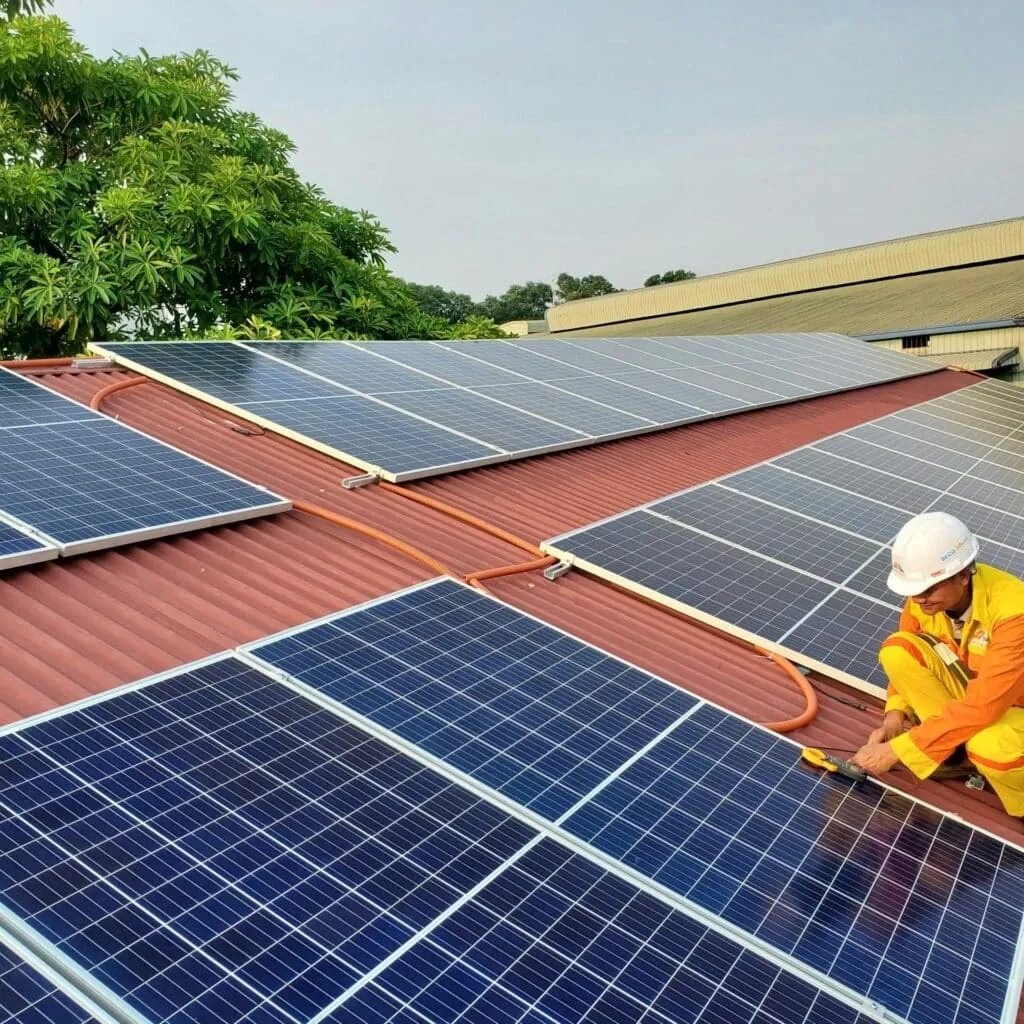
However, if your roof has an unsuitable orientation, for example, facing east, then installing panels is pointless, as the yields will be low, making the entire investment unprofitable. In such a case, the only solution is ground installation. If the frame for photovoltaic panels does not exceed three meters in height, then a building permit is also not required.
However, there are two situations in which it is required:
- if the height of the installed frame exceeds 3 meters,
- if the land on which the photovoltaic installation is being built is listed in the register of monuments.
In the recent amendments to the Spatial Planning and Development Act, new provisions were introduced regarding the identification of areas designated for renewable energy generation devices with an installed capacity exceeding 500 kW and protective zones related to construction and land development restrictions. This study is a key strategic document at the municipal level, which serves as the basis for later local plans.
According to the new wording of Article 10, paragraph 2a, when the municipality plans to designate areas for devices generating energy from renewable sources with an installed capacity exceeding 500 kW and protective zones related to construction and land development restrictions, the study must include their precise location, excluding:
- freestanding photovoltaic devices with an electrical power not exceeding 1000 kW, located on agricultural land classified as class V, VI, VIz, and on fallow land according to the definition contained in the regulations related to the Geodetic and Cartographic Law.
- other devices than freestanding ones.
The creators of the new regulations indicate that the changes aim to stimulate economic growth and meet the expectations of society and entrepreneurs, especially producers of energy from renewable sources, as well as the entire sector related to the development of RES installations.
The aforementioned photovoltaic regulations in 2023 clarify many aspects related to photovoltaic installations. However, it should be clearly stated that the law regulating photovoltaic issues is dynamic and subject to continuous changes. This is due to the growing popularity of solar energy sources, which makes it difficult to immediately adapt legal standards to this dynamic situation. Nevertheless, it is worth being aware of the latest changes in this area.
First and foremost, it is necessary to understand that for photovoltaic installations with a power exceeding 6.5 kW, there are specific formalities. The photovoltaic installation project must be approved by a fire safety expert, and the completion of the photovoltaic devices must be reported to the relevant authorities of the State Fire Service, which are competent based on the location of the facility. These can be both local city commands and county fire service commands.
Another important aspect is the issue of obtaining a building permit for a photovoltaic installation. According to currently applicable regulations, such a permit is not required for installations with a power not exceeding 50 kW. Therefore, it is important to remember that for solar panel installations with a power greater than 50 kW, it will be necessary to obtain a building permit, as well as obtain an expert opinion and report the installation to the State Fire Service.
How much does photovoltaics cost in 2023?
In 2023, investing in photovoltaics with a power of 5 kWp will cost between 17,000 and 25,000 PLN gross. The price range results from several factors, such as the price of panels and inverters, administrative fees, project costs, and the type of installation (roof or ground). To reduce costs, one can apply for a subsidy under the "My Electricity" program for the installation of a photovoltaic system with a power of 5 kW. The maximum subsidy amount is up to 20,000 PLN or up to 50% of the total investment costs.
Additionally, when installing 5 kW of photovoltaic panels, there is the possibility of benefiting from additional advantages, such as tax reliefs, including a 23% VAT deduction, the possibility of obtaining loans on preferential terms intended for photovoltaic installations, and local subsidies offered by the City or Municipal Office. Thanks to these supports, the total cost of installing a 5 kW photovoltaic system can be reduced by several thousand PLN. It is worth familiarizing oneself with all available subsidy options for this capacity of photovoltaic panels.
Is a photovoltaic installation still worth it?
Although changes in regulations, especially in the settlement system, have left a mark on the photovoltaic market in Poland, it is still a popular investment. Although the payback period for the investment is somewhat longer than with net-metering, it remains attractive.
The new settlement system is designed so that the user gives back as little of the electricity obtained from the sun as possible, instead utilizing the generated energy. Therefore, in last year's edition of the "My Electricity" program, there was an option for funding energy storage systems.
Do you have questions about photovoltaics and its profitability in the near future? Contact our advisors, who will answer all your pressing questions.
 +48 12 376 86 00
  Downloads
  biuro@termofol.pl


 Blog Termofol
 Published: November 20, 2023
  Reading time: 7 minutes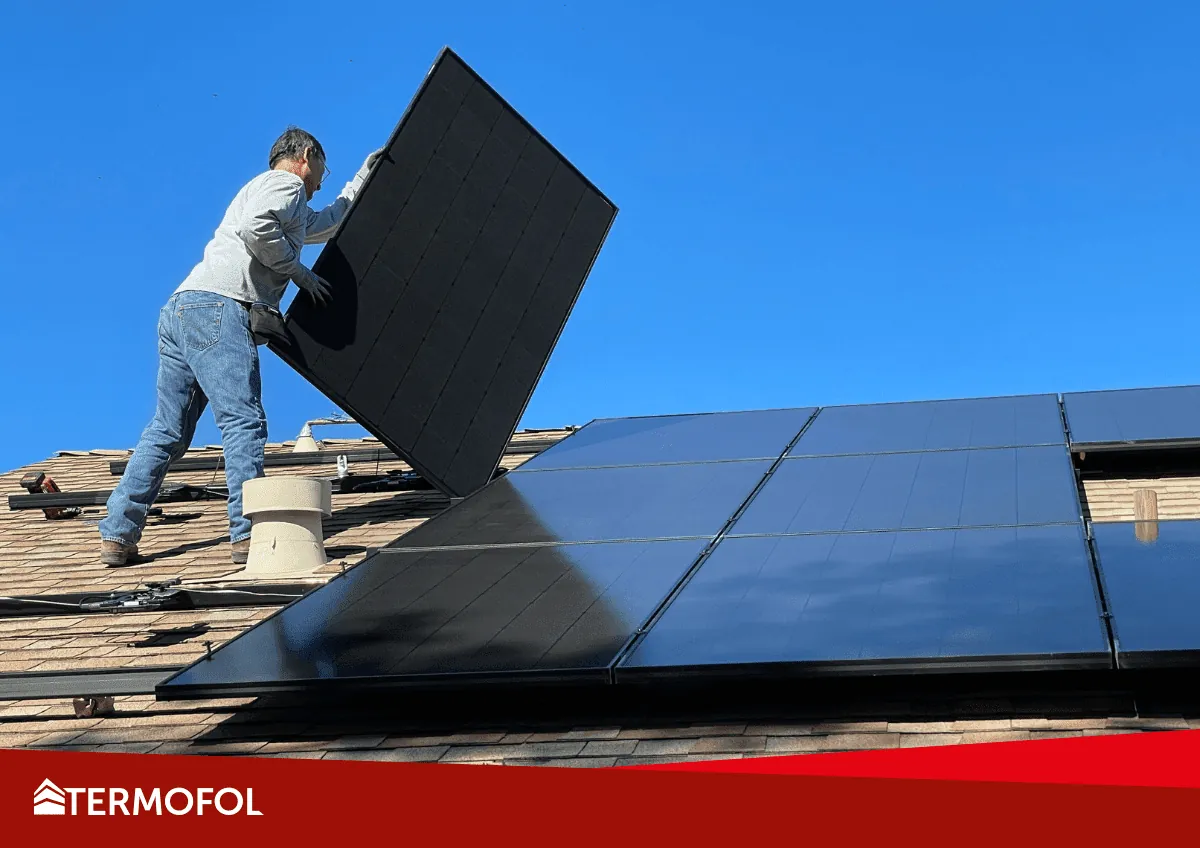
 Photovoltaics