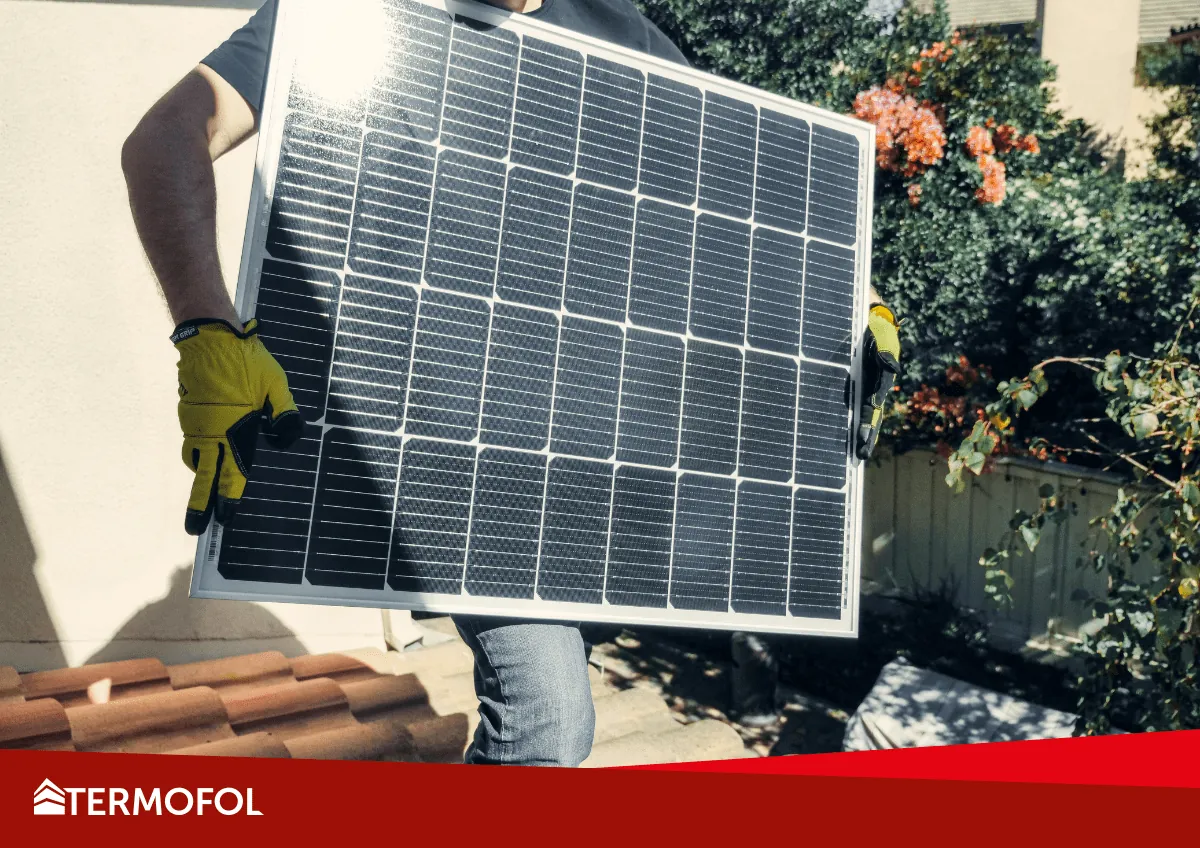
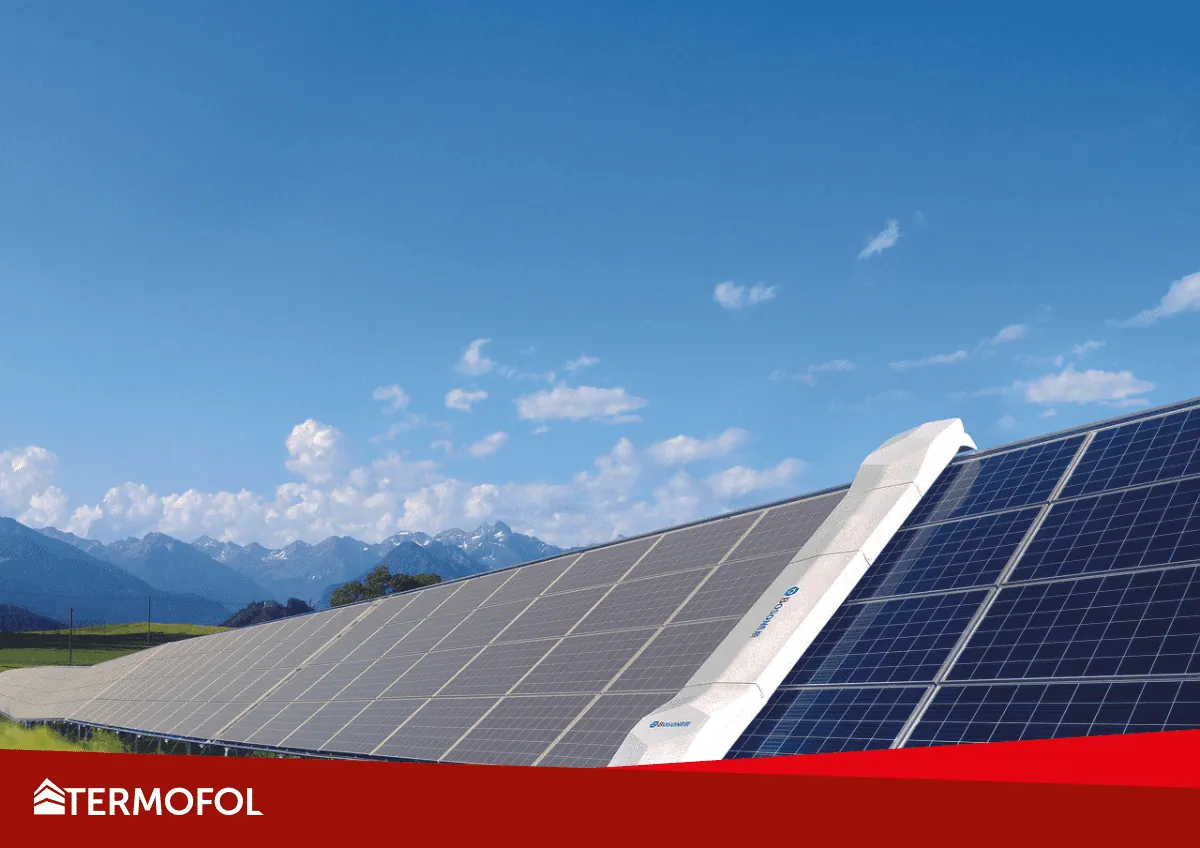
Photovoltaics is a field of science and technology that deals with converting light energy into electrical energy. This process is made possible by the use of photovoltaic cells, which are the basic components of PV systems. In this article, we will not only explain what a solar cell is, but also present the entire panorama of these elements currently available on the market. So if you are wondering which photovoltaic panels to choose, we invite you to read on.
The Sun as a Source of Energy
Photovoltaics is the science and technology that focuses on converting sunlight into electrical energy using photovoltaic cells. These small but extremely important components are responsible for the revolution in harnessing energy from the Sun. A photovoltaic cell, also known as a solar cell, is made of semiconductors, such as silicon, which absorbs photons of sunlight and generates a flow of electrons, thus creating electrical current.
Photovoltaic cells were invented in 1839 by French physicist Alexandre-Edmond Becquerel. Becquerel discovered the photovoltaic effect while working with electrochemical solar cells. His research involved experiments with illuminating an electrode with sunlight, which led to the generation of a small electric charge.
Types of photovoltaic cells have been the subject of many subsequent research works. This discovery paved the way for further research into converting light energy into electrical energy and the development of photovoltaic system technologies.
In the following years, especially in the 20th century, researchers and engineers continued to work on the development and improvement of solar cells. In 1954, the American company Bell Laboratories presented the first practical photovoltaic cell based on silicon. The silicon cell became the precursor to modern photovoltaic technologies. Over the years, devices have been improved, contributing to the dynamic development of this field.
Types of Photovoltaic Cells
Photovoltaic cells can be classified based on their construction. Silicon, and thus the crystal from which they are made, can take various forms. Both mono- and polycrystalline crystals are used.
Monocrystalline Cells
Monocrystalline cells are characterized by a uniform crystal structure. As a result, they are more efficient than their polycrystalline counterparts. Although they are slightly more expensive, they offer higher efficiency in converting solar energy into electrical energy.
Polycrystalline Cells
Polycrystalline cells, as the name suggests, are made from many silicon crystals. Although they are less efficient than monocrystalline cells, they still represent an attractive option for those looking for a budget-friendly solution.
Amorphous Panels
Amorphous panels, also known as thin-film panels, are a flexible alternative. Thin layers of semiconductors allow them to be used in various locations, even where traditional panels would be impractical. Their efficiency may be lower, but they have recently gained versatility. In the technological process, a thin layer of allotrope silicon (0.5-1 μm thick) is applied to glass or other substrates.
Amorphous panels stand out due to their fast and inexpensive production process, resulting from the small amount of semiconductor used and low energy consumption. However, one of the disadvantages of this type of cell is its relatively low efficiency. Despite these limitations, the development of amorphous cell technology is an area of intensive research aimed at improving their efficiency and increasing competitiveness in the photovoltaic market.
Which Photovoltaic Panels to Choose?
The decision to choose a type of photovoltaic panel depends on many factors, such as budget, available installation space, and efficiency level. Monocrystalline cells are excellent for those who value maximum performance, while polycrystalline cells may be ideal for those looking for a more economical solution. Types of photovoltaic cells are a key aspect when making a decision about installing this system.
You already know how monocrystalline and polycrystalline panels differ. So it’s time to ask the question, which photovoltaic panels to choose? It depends on your individual needs and conditions. Monocrystalline cells offer efficiency, polycrystalline cells are more budget-friendly, and amorphous panels may be the answer to unusual installation challenges.
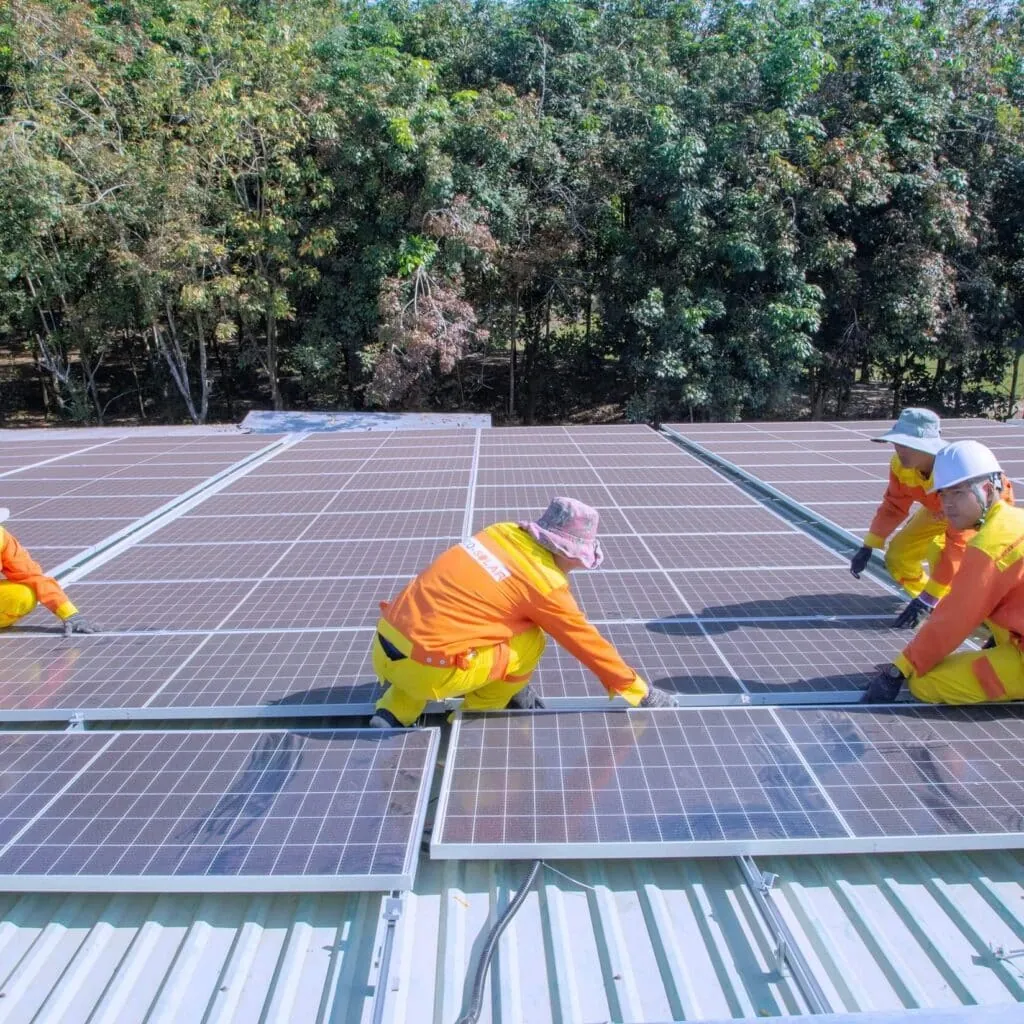
It is worth mentioning that photovoltaics is an important element of the concept of distributed energy. Photovoltaic installations on the roofs of homes, businesses, or rural areas allow for energy production close to where it is consumed, which in turn reduces losses associated with transporting energy over long distances. This approach contributes to increasing the energy independence of communities and minimizing the negative impact on the environment. When considering which photovoltaic panels to choose, it is important to take into account not only economic aspects but also the impact on local communities and the environment.
One thing is certain – PV systems not only provide us with clean energy but also open up prospects for the energy of the future. They play a significant role in the energy transformation, contributing to the reduction of greenhouse gas emissions and promoting sustainable development. In the future, these technologies will likely become even more efficient and widespread, which could lead to a significant increase in their role in harnessing so-called green energy.
 +48 12 376 86 00
  Downloads
  biuro@termofol.pl


 Blog Termofol
 Published: December 5, 2023
  Reading time: 4 minutes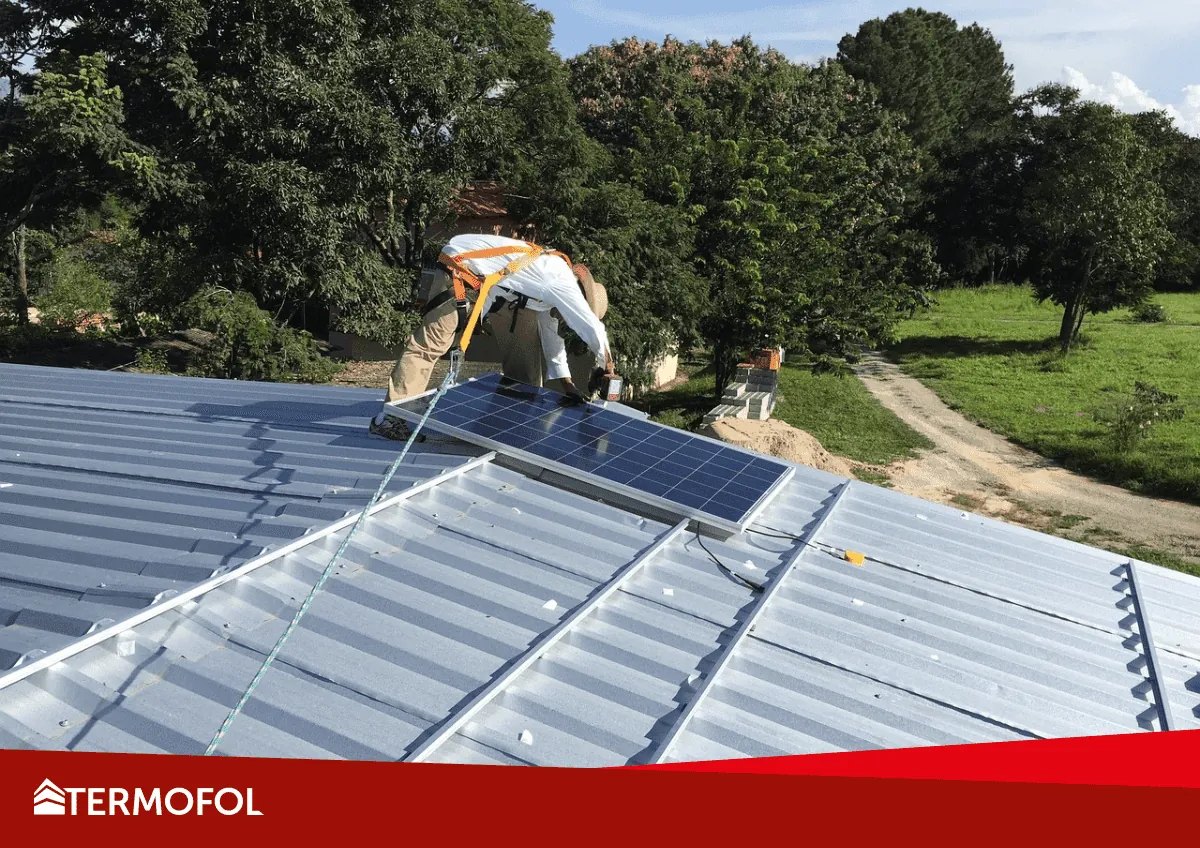
 Photovoltaics