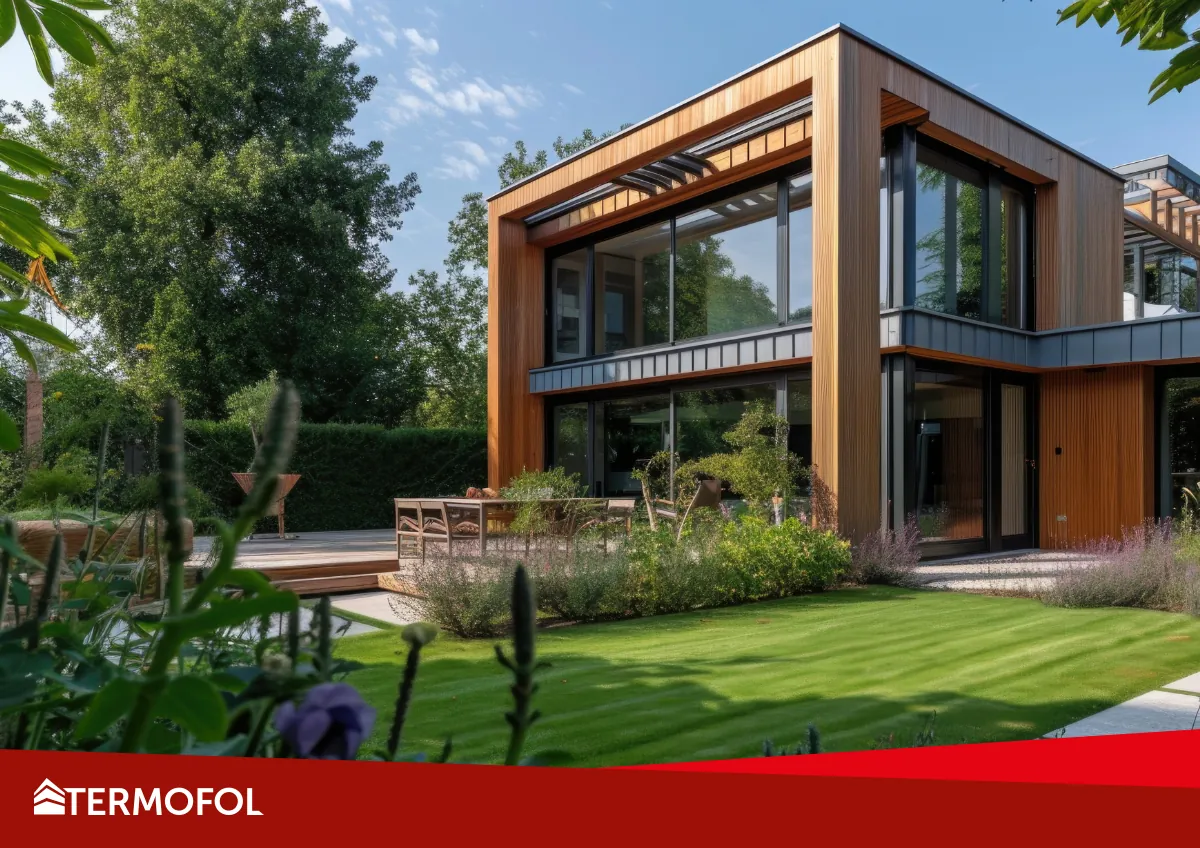
Small houses built without a permit often serve as year-round residences. The possibilities for expansion and the construction of additional architectural elements mean that such a house can have a significant usable area. This raises the issue of organizing heating within it. How to heat a small building and which technologies will work best for this task?
How to heat a small building? Discover traditional methods
Houses built without a permit are a real hit in the construction industry. A small plot and investment funds are enough to quickly enjoy the benefits of having your own home without unnecessary formalities. Plans to liberalize regulations that would double the allowable area of such buildings further increase interest in small houses. However, it is important to remember that minimization in some aspects of construction is technologically limited.
The biggest problem associated with the construction of year-round buildings is heating houses up to 35 m2. In residential buildings, a solid fuel stove usually serves as the base, which guarantees stable heating, although it is not without its drawbacks. In the case of buildings with such a small area, the installation of a heating system and stove or fireplace poses a significant challenge. The lack of space for heating equipment, fuel storage, and the need to install large heating systems make this method impractical for heating houses built without a permit.
The second popular, though less frequently used method, is gas heating. Here, we save some space since there is no need for fuel storage, and the stove is much smaller. However, very often small houses do not have a gas installation, which many designers do not consider essential. Therefore, heating houses with a notification should be planned using other resources.
Heating houses without a building permit – alternative methods
If we give up solid fuels that generate heat in the house, we are left with the option of using energy generated elsewhere and brought to the building. This refers to electrical energy, which is also largely produced through the combustion of solid fuels. Heating using electric devices is the most comfortable solution. The wires and the devices themselves take up little space, and the method of regulating heat, and even planning heating processes, leaves the competition far behind.
However, there is much talk about rising energy prices, which we are increasingly facing. Is there a risk that heating houses without a permit using electricity will create operating costs beyond the profitability threshold? It is hard to say, as over time and with investments in renewable energy sources, energy prices will stabilize. However, you can get ahead of this uncertain time and step into the future by investing in solar panels now. Most small house designs include simple roof slopes with significant pitch, which are perfect for installing solar panels.
What type of heating to choose?
If you decide to heat houses up to 35 m2 using the electrical network, you have several technologies to choose from. The most popular and cheapest solution is convection heaters. These devices are equipped with several electric heaters that are plugged directly into an electrical outlet. They are valued for their easy temperature regulation, rapid room heating, and quiet operation. They are considered to take up a lot of space, but are incomparable to radiators. Additionally, they can easily be moved to another, more convenient location. Our convection heaters come standard with remote control capability, which is an important advantage for holiday homes.
See: Underfloor heating
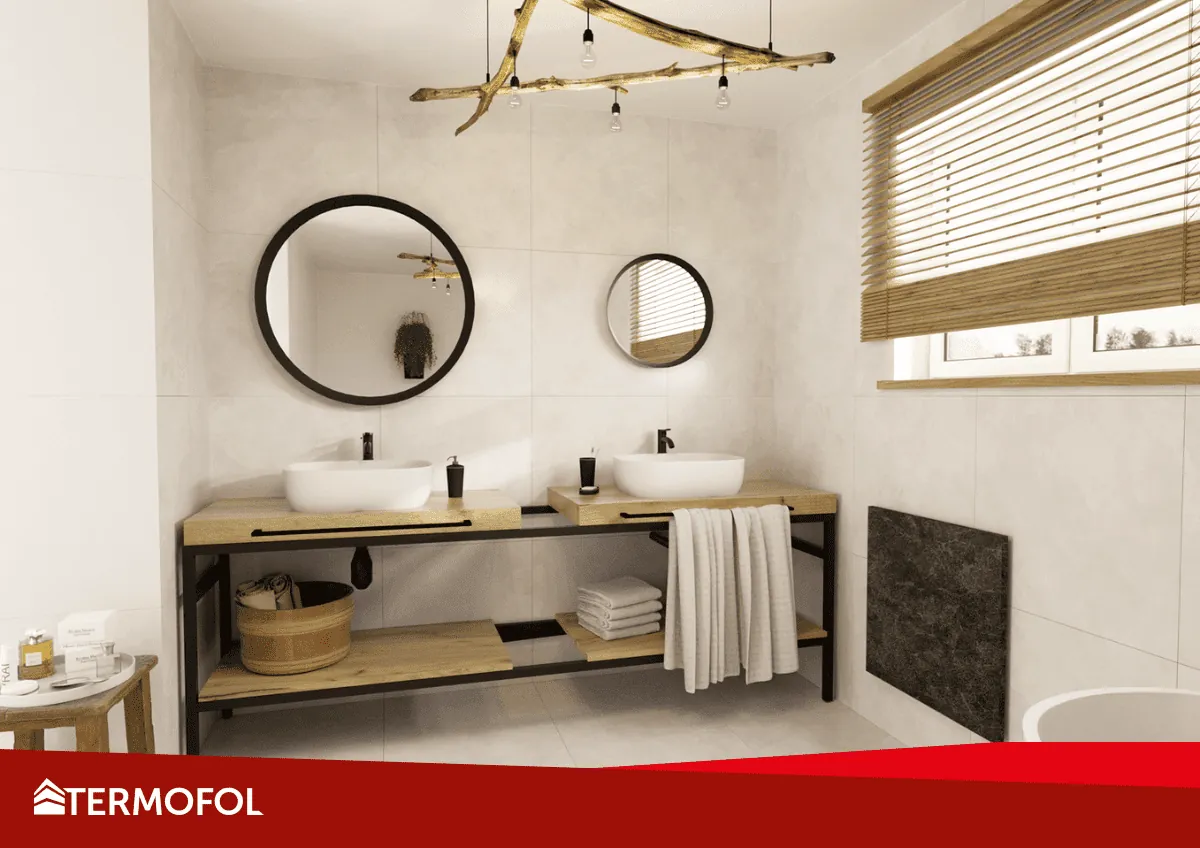
Other methods of electric heating for houses without a building permit utilize infrared wave technology. Safe rays are an innovation in heating because they heat objects rather than air. Their operation resembles the way sunlight works. Depending on the available investment funds, you can choose infrared heaters or heating with heating film. In each of these cases, heating accessories take up significantly less space than traditional radiators, allow for easy regulation, and provide a more economical and efficient alternative heating method.
Cheap heating for houses with notification
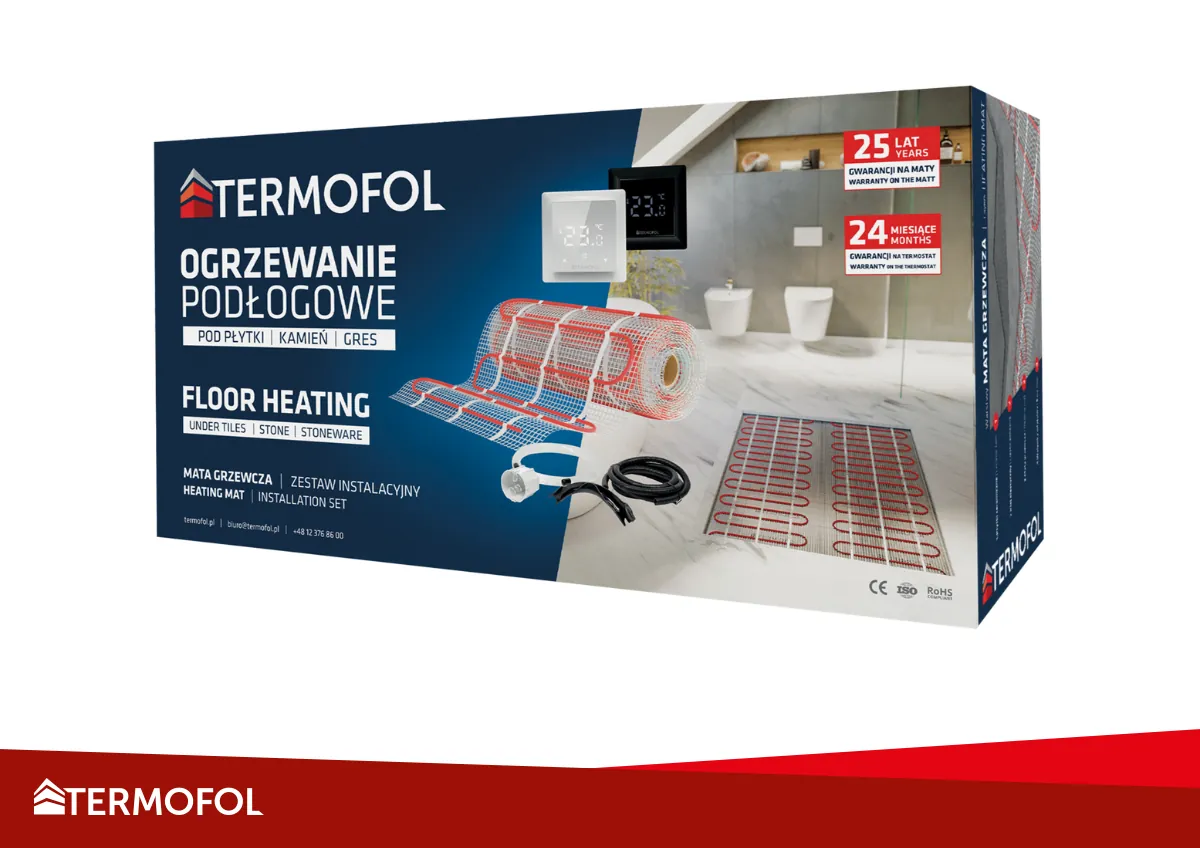
If you are building a house with a notification and have limited funds, a solution based on convection heaters requires the least investment. An alternative to these devices are infrared heating panels or underfloor heating with heating film or heating mats.
Among interesting solutions powered by electricity, there are also accessories for recovering heat from the air, combined with ventilation. Heat recovery units are economical devices that allow for maintaining a significant amount of heat inside the building. However, their operation requires running dozens of meters of ventilation ducts, which can take up a lot of space in small buildings. The downside is also the high cost of such a device.
Electricity will have no strong competition for many decades to come. Its acquisition from renewable energy sources will certainly increase, stabilizing prices and making it recognized as an ecological solution. Therefore, all methods of heating houses without a permit using electricity are worth your attention.
 +48 12 376 86 00
  Downloads
  biuro@termofol.pl


 Blog Termofol
 Published: September 29, 2021
  Reading time: 4 minutes
 General information