The Ministry of Climate and Environment in Poland organized a ceremony for the signing of a letter of intent regarding the development of electrochemical energy storage. The event took place on May 29 and was honored by representatives of the ministry and state-owned companies. The aim of this technology is to improve the efficiency of energy storage.
The ongoing energy transformation is based on a fundamental change in the functioning of the electricity system. It involves the introduction of so-called distributed energy, which relies on self-consumption of energy produced by the user. To implement this, energy storage systems are needed, where consumers can store the generated electricity. Access to these devices is still expensive in Poland, but this may change soon.
Letter regarding Polish energy storage
One of the main challenges in the energy transformation process is effective energy storage. Currently, due to high costs and dependence on imports from China, the expansion of such devices is hindered. Nevertheless, new technologies continue to emerge in this sector that may help solve current difficulties.
"The signing of the letter of intent between state-owned companies and universities is crucial for the Polish energy transformation. Energy storage is a demanding process. Our goal is to seek cheaper solutions based on available raw materials. We want all these solutions to come from our own market," said Piotr Dziadzio, Deputy Minister of Climate and Environment, Chief Geologist of the Country, Government Plenipotentiary for Raw Material Policy.
"If the project can be realized within 12 months, the factory will be built within 3 years. State-owned companies from the chemical and processing industries will help us utilize and produce specific substances, such as cathodes, anodes, and electrolytes, which are essential for the proper functioning of energy storage systems. We are focusing on our technical thought and the technological capabilities of companies that possess such technologies. Our main task will be to build a cell based on elements that are generally available. One of these key metals is sodium. Sodium cells can be an alternative to lithium cells," the geologist emphasized.
KGHM, as one of the companies, signed a letter of intent to establish cooperation in developing Polish ion cell technology for electrochemical energy storage.
Under the letter of intent, state-owned companies and scientific institutions have established cooperation aimed at developing Polish energy storage. KGHM, in response to global challenges related to sustainable development, is consistently implementing the Climate Policy, which aims to achieve climate neutrality by 2050. Over the next 7 years, the company plans to meet 50% of its energy demand from its own sources, including renewable sources. Currently, the operation of KGHM Polska Miedź S.A.'s gas-steam blocks covers up to 20% of electricity demand. KGHM, aiming to diversify electricity sources across the Capital Group, is also investing in solar and wind energy. The company is building photovoltaic power plants and conducting projects related to offshore wind energy. Additionally, KGHM is involved in the development of nuclear energy in the country.
Batteries of the future
It is worth noting that electrochemical energy storage includes various types of batteries, such as lithium-ion, lead-acid, and vanadium. Electrochemical batteries are commonly used in everyday items, such as TV remotes, mobile phones, and laptops.
The main advantage of these batteries is their compact size, which allows for production in various shapes and sizes. Additionally, electrochemical batteries can store a large amount of electrical energy. Due to these properties, they are an excellent solution for households, businesses, and are widely used in photovoltaic farms.
Photovoltaics even more profitable
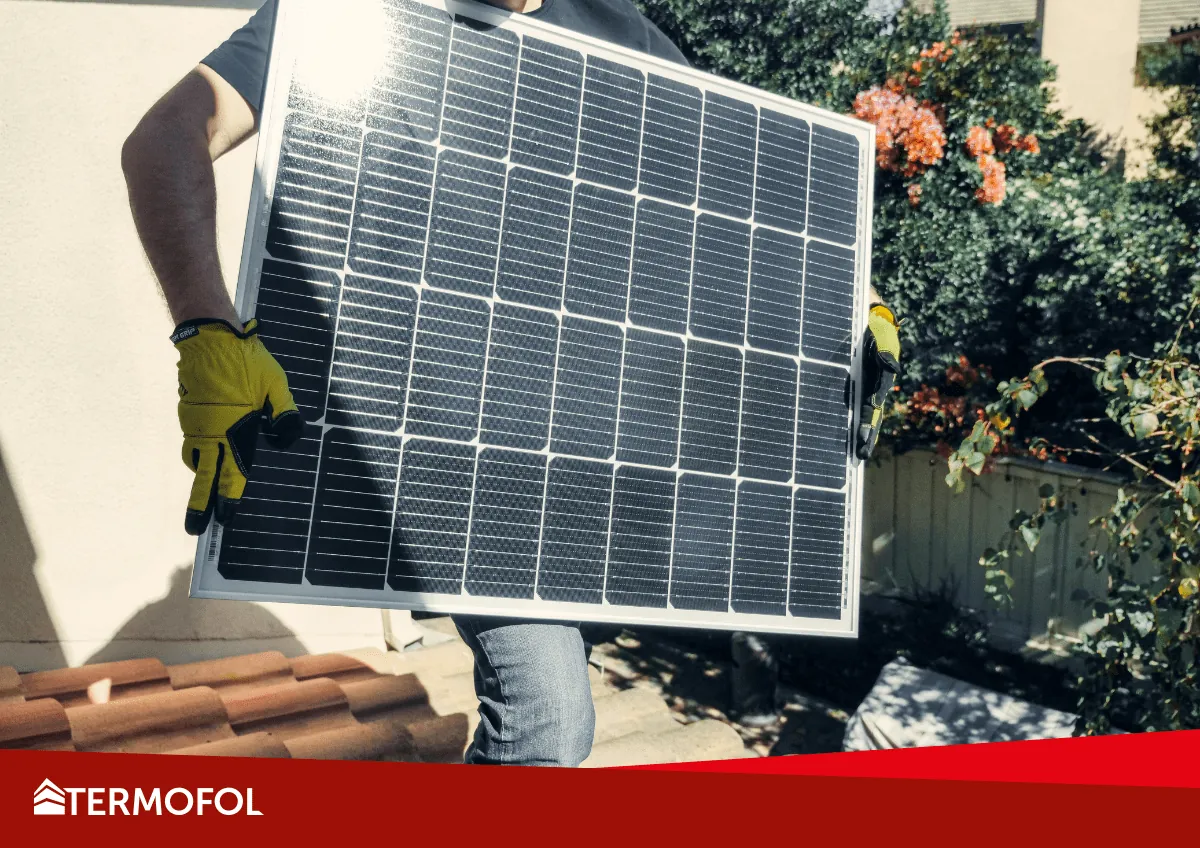
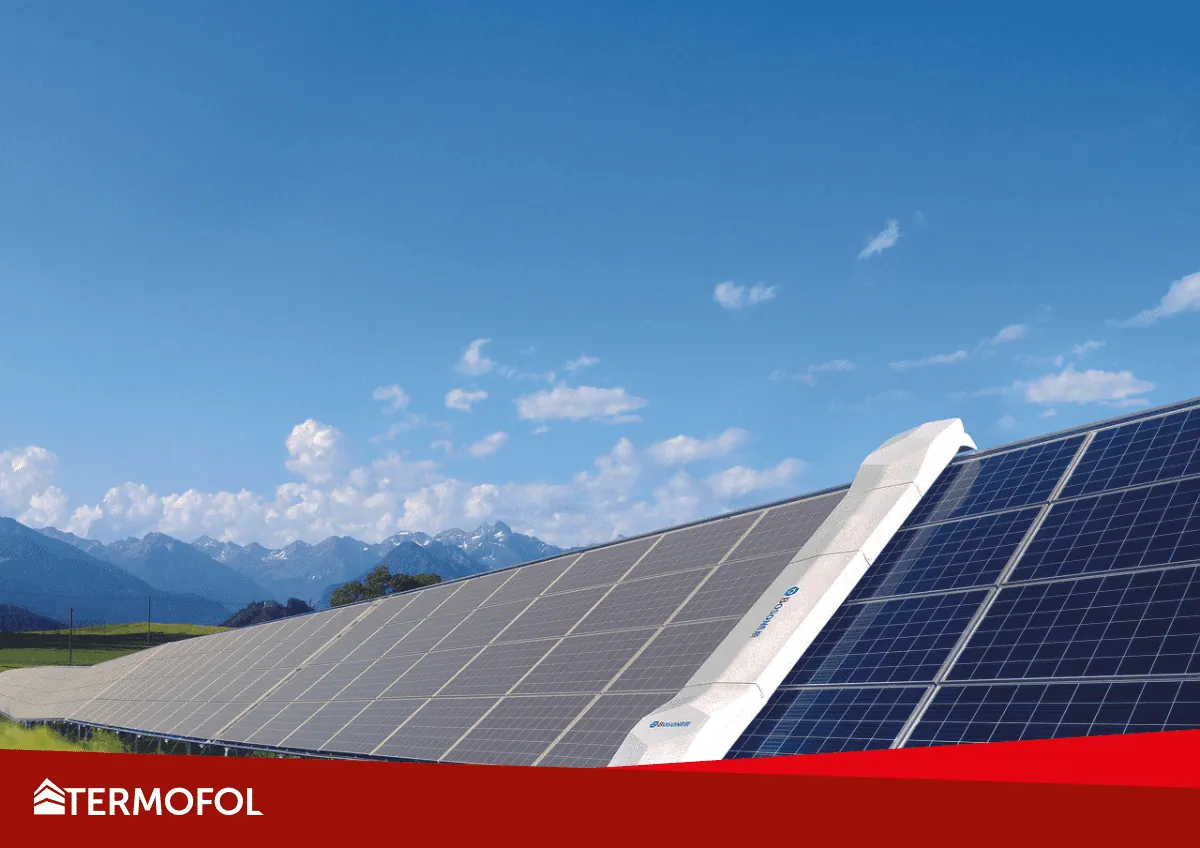
Energy storage systems complement photovoltaic installations, which, due to weather conditions, cannot operate continuously. Thanks to modern energy storage systems, consumers can obtain cheap electricity from the Sun, store it, and use it later. This is particularly important in summer when there are many sunny days. But what about winter?
Can a resident of an apartment block have photovoltaics? The answer is yes! You can read about how this is possible in the article "Collective prosumers: Common benefits and potential profits"
Even in winter, despite shorter days and less sunlight, panels still generate electricity from solar radiation. When days are shorter and less sunny, energy storage allows for the use of stored electricity in the evening or nighttime hours when the panels do not generate sufficient energy. It is also worth adding that the energy storage can also store electricity at night, using the so-called cheaper tariff. This electricity can then power electrical devices during the day.
Heating with the sun
By combining a photovoltaic system with energy storage, it is possible to use solar energy to power a home or other buildings, thereby reducing dependence on traditional energy sources and lowering costs. This solution opens up wide possibilities for investors to utilize electricity. Additionally investing in infrared electric heating can ensure complete independence.
Using photovoltaics and energy storage to power infrared heating films is an innovative solution that can bring many benefits in terms of energy efficiency and heating. Due to the simplicity of the heating system based on infrared films, we practically do not have to think about the next heating season. Heating films do not require inspections, replacement of worn parts, or cleaning of chimneys. Having energy storage also frees you from dependence on external gas suppliers or other fuels. In case of a gas or electricity transmission line failure, the home can still function without problems.
The signing of the letter of intent regarding the construction of a modern energy storage factory provides an opportunity to increase access to these devices in Poland. This is another step in a sensible energy transformation.
 +48 12 376 86 00
  Downloads
  biuro@termofol.pl


 Blog Termofol
 Published: June 13, 2023
  Reading time: 5 minutes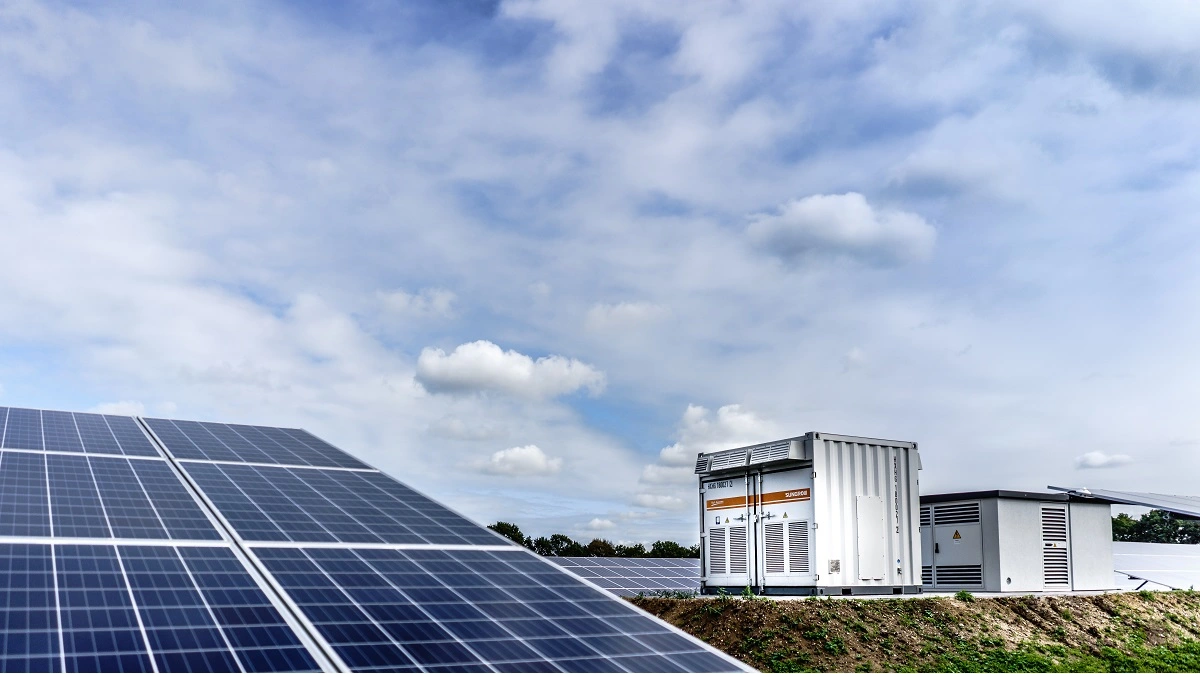
 Photovoltaics