Nowadays, more and more people are considering investing in renewable energy sources and becoming active participants in the energy market. One interesting solution that is gaining popularity is the role of the collective prosumer. In this article, we will take a closer look at this concept and present the benefits of being a collective prosumer, as well as illustrate it with a specific example.
What is a collective prosumer? Collective prosumers are groups of individuals, usually residents of a single building, estate, or neighborhood, who jointly invest in renewable energy installations, such as photovoltaic panels. Each participant holds shares in the installation, allowing them to produce their own electricity while sharing the benefits.
Benefits of being a collective prosumer:
- Energy bill savings: As a collective prosumer, a group of individuals can significantly reduce electricity costs. The energy produced can be shared among participants, eliminating the need to purchase energy from traditional suppliers. This translates into real savings on electricity bills.
- Increased energy independence: Utilizing renewable energy gives participants greater energy independence. They do not have to rely on external energy suppliers, which gives them more control over their own power source.
- Environmental protection: Renewable energy, as in the case of collective prosumers, contributes to environmental protection. Generating energy from renewable sources reduces harmful greenhouse gas emissions, helping to combat climate change.
To better understand the potential gains from being a collective prosumer, let’s consider the example of an estate consisting of ten houses. The residents decided to make a joint investment in a photovoltaic installation with a capacity of 20 kW.
At this point, it’s worth mentioning the investment costs. If you are curious about how much the residents of the estate paid for the photovoltaic installation, ask the specialists from Termofol during free consultations.
During the summer months, when the days are long and sunny, the photovoltaic panels on the roofs of the houses produce more energy than is needed to meet the estate's demand. The surplus energy is sent to the power grid, generating energy credits for the participants.
In the winter months, when sunlight is less abundant, the estate participants can use the accumulated energy credits to pay for the energy drawn from the grid. This means they do not have to rely on purchased energy, which translates into real savings on electricity bills.
Additionally, thanks to the photovoltaic installation, the estate can reduce its dependence on traditional energy suppliers and contribute to environmental protection by reducing greenhouse gas emissions.
Do you want to know what installation you need to power your home? Experts from Termofol will answer any questions you have.
Summary
Collective prosumers are groups of individuals who invest in renewable energy, such as photovoltaic panels, and jointly benefit from it. This allows them to save on energy bills, increase energy independence, and contribute to environmental protection. The example of the estate shows that being a collective prosumer can bring real gains in the form of electricity savings. If you are part of a community interested in renewable energy sources, collective prosumer status may be an intriguing option to consider.
However, it is important to remember that the specific rules and benefits associated with being a collective prosumer may vary depending on local regulations and conditions. Before making a decision, it is advisable to consult with the appropriate experts and local institutions responsible for energy.
The concept of a collective prosumer is indeed closely related to the virtual prosumer. We discuss this topic in the article “Who is a virtual prosumer?”
 +48 12 376 86 00
  Downloads
  biuro@termofol.pl


 Blog Termofol
 Published: June 1, 2023
  Reading time: 3 minutes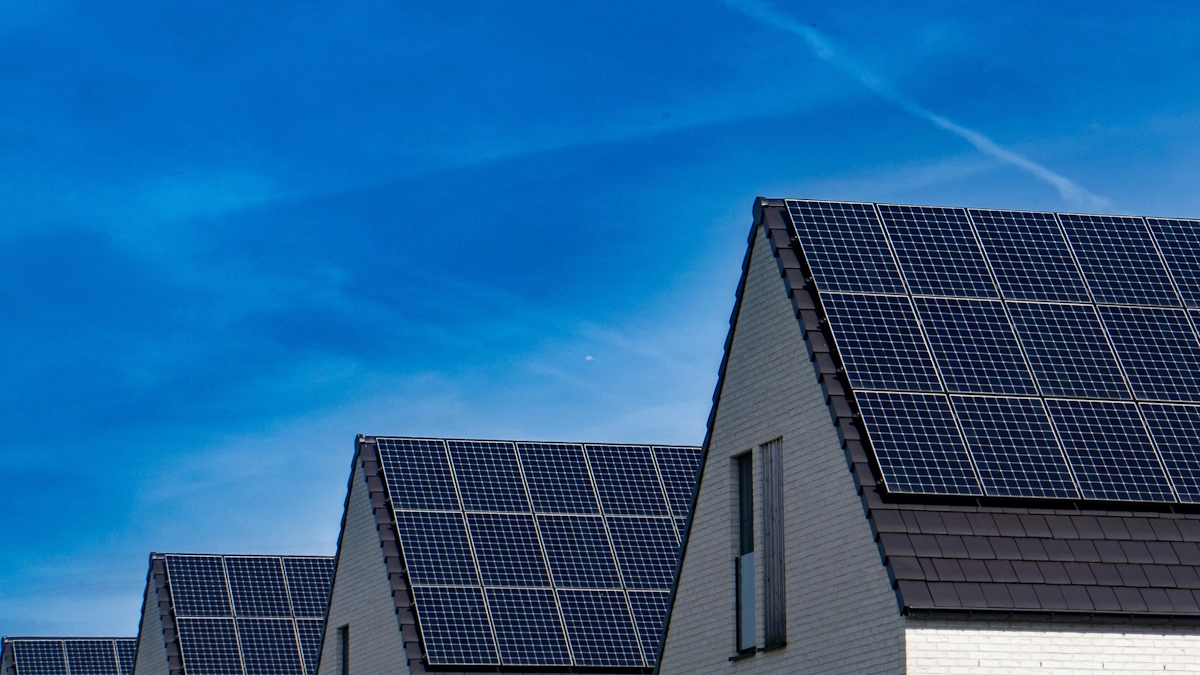
 General information