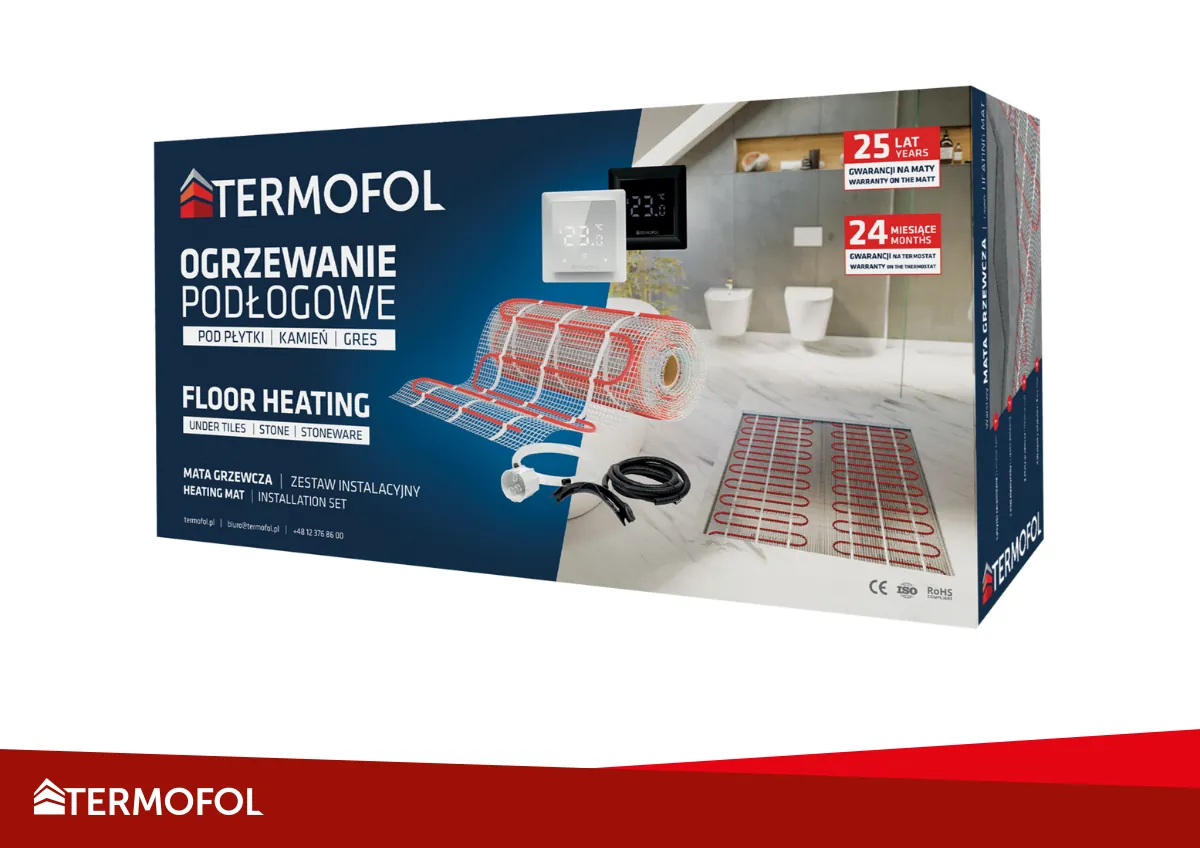
Termofol Expert: “Today, heating mats are chosen not only for comfort but primarily for the simplicity and flexibility of the entire system.”
Just a few years ago, heating mats were mainly considered an additional solution — most often for bathrooms. Today, from the market perspective, it is clear that their role has significantly changed. Investors increasingly view electric underfloor heating as a conscious element of modern construction, rather than just a comfortable addition.
The buildings themselves, the way interiors are designed, and user expectations have changed. Energy efficiency, the absence of a boiler room, the ability to cooperate with photovoltaics, and the reduction of serviceable components have become increasingly important.
In practice, this means that heating mats are now very well suited to several specific types of properties.
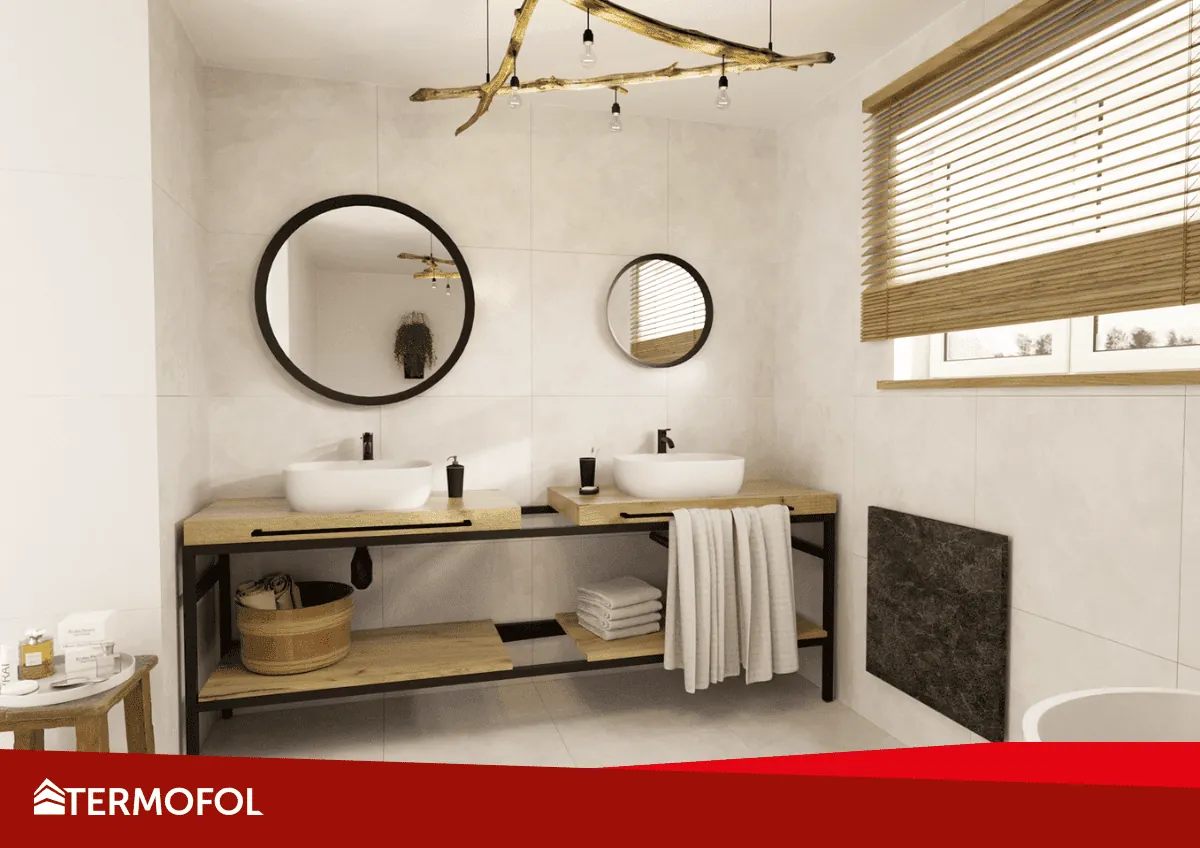
Apartments in Blocks — Here, Heating Mats Make Exceptional Sense
From the perspective of execution and use, apartments in blocks are one of the most natural environments for heating mats. The main reason is the simplicity of installation and the possibility of modernization without significant interference in the existing building infrastructure.
In apartments, investors often do not have the option to rebuild the entire central heating system. They also do not want to carry out extensive plumbing work or significantly raise the floor level. Heating mats solve most of these problems.
The system is most often installed:
- in bathrooms,
- kitchens,
- living areas,
- developer apartments finished to a key.
In practice, many clients start with one bathroom and later decide to extend underfloor heating to additional rooms.
For apartments, user comfort is also of great importance. A warm floor in the bathroom or kitchen quickly becomes something that users do not want to go without.
Single-Family Homes — Increasingly a Full-Fledged Heating System
Just a few years ago, investors building homes automatically assumed:
- a boiler room,
- a plumbing installation,
- radiators or water underfloor heating.
Today, it often looks different.
In modern energy-efficient homes, heating mats are increasingly designed as the main source of heating. This is primarily due to the improvement of energy parameters of buildings and the tremendous development of photovoltaics.
From the investor's perspective, the system offers several very practical benefits:
- no boiler room,
- simplified installation,
- no pipes and distributors,
- greater freedom in interior design,
- the ability to control temperature very precisely.
In practice, investors are increasingly looking for simpler, more predictable, and less failure-prone solutions. Electric underfloor heating fits very well into this direction.
Of course, the energy standard of the building is crucial here. The better the insulation of the house, the more sense modern electric heating makes when cooperating with a PV installation.
Renovations and Modernizations — Here, Heating Mats Often Have No Competition
It is during renovations that heating mats show one of their greatest advantages.
In existing buildings, investors often do not want to:
- perform thick screeds,
- break up entire floors,
- rebuild plumbing installations,
- reorganize the boiler room.
Heating mats allow for the introduction of underfloor heating with relatively little interference in the existing interior. This is a huge advantage, especially:
- in secondary market apartments,
- renovated bathrooms,
- investment apartments,
- older homes being modernized in stages.
From the execution perspective, the speed of work is also important. The system can be installed much more efficiently than traditional water underfloor heating.
In practice, for many investors, the ability to modernize without a complete renovation becomes a key argument.
Offices and Service Premises — Increasing Interest from the Commercial Market
In commercial spaces, traditional heating systems dominated just a few years ago. Today, more and more investors are paying attention not only to the temperature in the room but also to aesthetics, client comfort, and flexibility in interior arrangements.
Heating mats perform very well:
- in showrooms,
- boutiques,
- beauty salons,
- premium offices,
- hotel apartments,
- wellness and spa areas.
In such realizations, the absence of visible radiators and the ability to freely design the space are of great importance.
From the user perspective, the quick response of the system and the ability to control the temperature only during business hours are also important. This allows for reduced energy consumption and better control of operating costs.
Where Do Heating Mats Make the Most Sense Today?
From the market perspective, one thing is clear today — heating mats have ceased to be a niche solution.
They make the most sense wherever the investor expects:
- comfort,
- simplicity of installation,
- modern aesthetics,
- intelligent control,
- reduction of extensive heating infrastructure.
Therefore, they are best suited today:
- in modern apartments,
- energy-efficient homes,
- premium investments,
- renovated properties,
- modern commercial spaces.
From an expert perspective, one can say this — electric underfloor heating has strongly integrated into the direction in which modern construction is developing.
 +48 12 376 86 00
  Downloads
  biuro@termofol.pl


 Blog Termofol
 Published: May 22, 2026
  Reading time: 4 minutes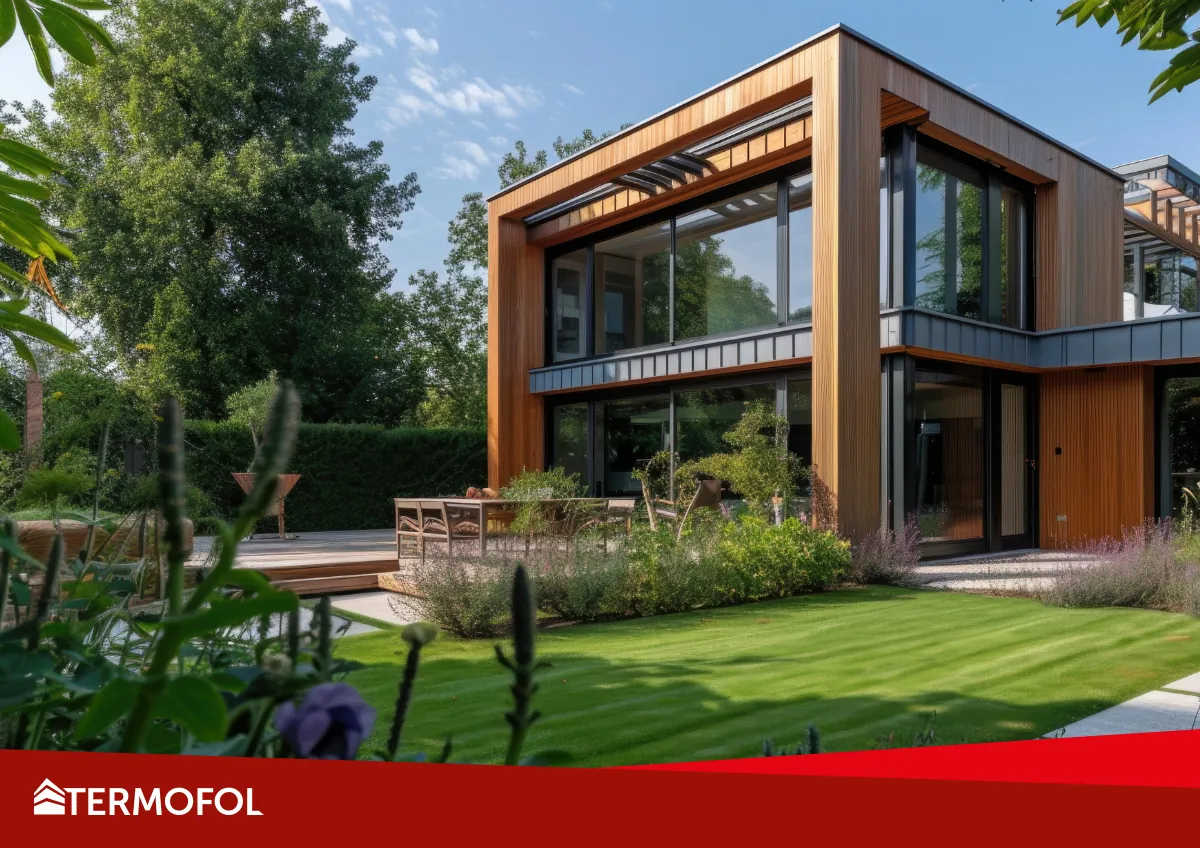
 General information