Harnessing green energy from the Sun has become very popular in Poland in recent years. Inverters, microinverters, power optimizers – these terms often arise in discussions about photovoltaic installations. What do they mean exactly and how do they affect the system's efficiency? In our article, we will explain the key differences between these concepts and help you make an informed choice.
Inverter, Optimizer, Inverter – What Are They? Terminological Distinction
Although a photovoltaic installation is not complicated in itself, when deciding to invest in it, you need to know which components to choose to ensure your system operates correctly. Therefore, it is worth knowing what inverters, microinverters, and optimizers are and how they work.
An inverter is an electrical device used to control the speed of an electric motor. Its main function is to convert direct or alternating electric current (from a constant frequency to a variable frequency), which allows for precise control of the motor's speed.
A microinverter is also a device used in photovoltaic systems to convert solar energy into electrical energy. However, unlike traditional inverters used in larger photovoltaic installations, microinverters are typically used in smaller systems, especially those with low-power solar panels.
A power optimizer for photovoltaics acts as an intermediary between the solar panel and the inverter. Optimizers, as the name suggests, serve to optimize system performance by individually monitoring and controlling the operation of each solar panel.
Which is Better – Microinverter or Inverter?
An inverter is an electrical device responsible for converting direct current (DC), generated by photovoltaic cells, into alternating current (AC), which is used in households and industry. Additionally, the inverter controls the voltage and frequency of the alternating current, allowing it to be adjusted to the user's needs. Therefore, inverters are used in photovoltaic installations for:
- analysis. The device helps to examine whether the direct current generated by the photovoltaic cells is compatible with the Polish power grid. The inverter acts as a bridge, enabling smooth energy delivery to the grid;
- performance optimization. The inverter allows for optimizing energy production by adjusting its amount to changing weather conditions. This, in turn, translates into greater efficiency and profitability of the photovoltaic installation;
- monitoring and control. Advanced inverters enable monitoring the performance of the photovoltaic system. Users can track energy production, control operating parameters, and manage the installation from an app or computer.
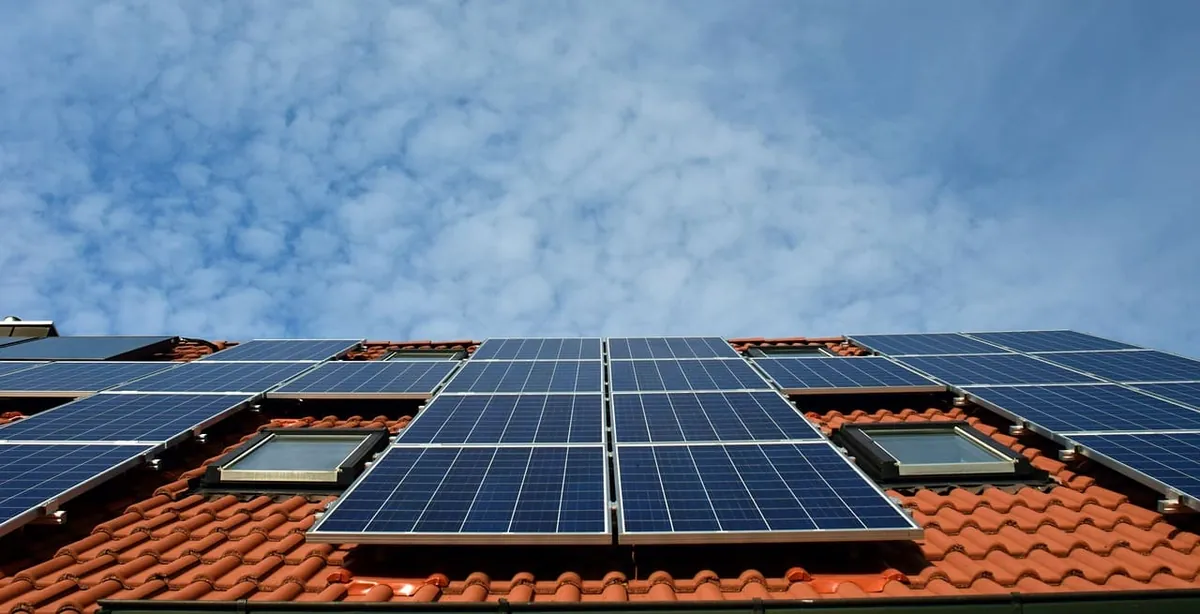
When choosing a solar inverter, there are several key factors to consider. It is important to match it to the power of the solar panels. These devices also influence the system's efficiency. Inverters with better energy conversion lead to an increased amount of produced electricity, positively impacting the installation's performance.
When selecting an inverter, it is worth paying attention to monitoring and control features. These elements facilitate effective control over the system and allow for quick diagnosis of potential problems. Choosing the right inverter is key to the efficient conversion of solar energy into electricity, so it is essential to consider the above criteria during the decision-making process.
The main difference between a microinverter and a traditional inverter is that each solar panel in a system with microinverters is connected to its own microinverter. This means that the direct current generated by each panel is immediately converted into alternating current, which has several advantages:
- A microinverter allows for individual monitoring and tracking of the performance of each panel in the system. This facilitates the detection of issues such as shading or damage, which can improve the overall efficiency of the installation;
- Photovoltaic microinverters enable energy production optimization, even if not all panels in the installation are operating at full capacity. In the case of traditional inverters, an issue with one panel can affect the performance of the entire system;
- thanks to the use of microinverters, a failure in one panel does not affect the rest of the installation, which relates to the reliability and safety of the system.
So what to choose – microinverter or inverter? As we already know, both devices essentially serve the same function. For a home photovoltaic installation, a microinverter will be ideal. However, if you plan to harness a larger amount of electricity from the Sun, then an inverter would be the appropriate choice.
Optimizer – Advantages and Disadvantages
Optimizers are particularly useful in installations where panels are mounted at different angles or in situations involving a phenomenon known as shading. They are also used in systems where it is difficult to achieve uniform conditions for all panels for various reasons.
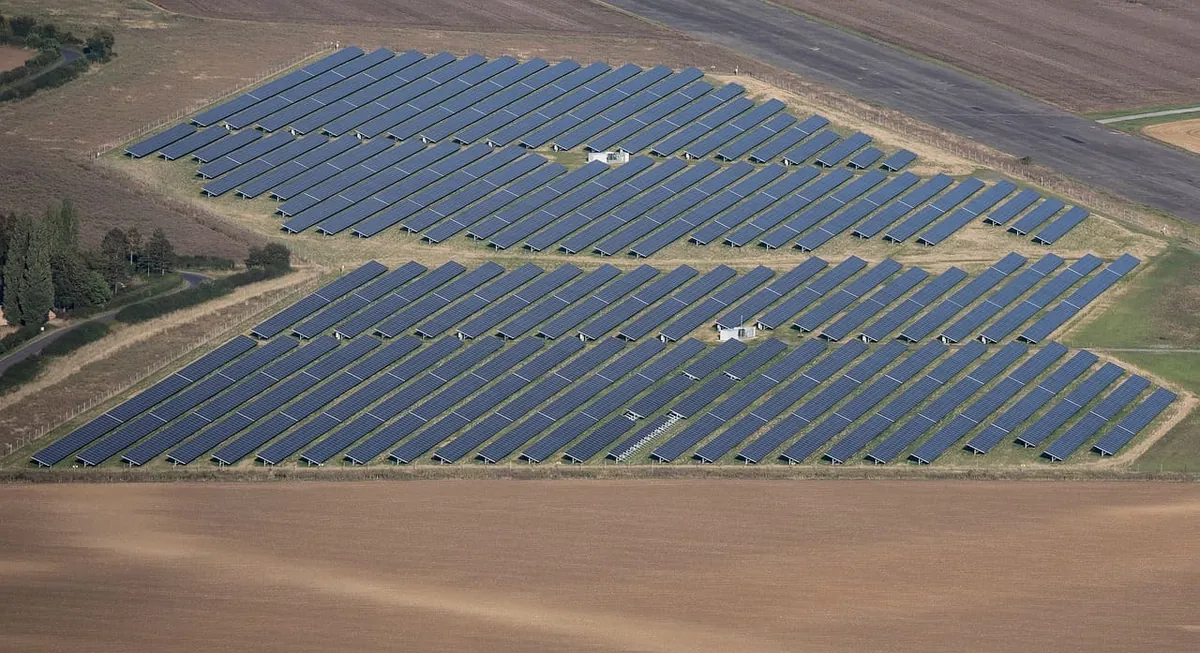
How exactly does a power optimizer work? Is it worth investing in it? Here are a few additional features and benefits of this device:
- Optimizers for photovoltaics allow for individual monitoring and control of each panel in the photovoltaic system, making it possible to track and optimize energy production at the level of individual modules, even if they are exposed to different lighting conditions;
- in situations where one of the panels is shaded, traditional photovoltaic systems can lose efficiency, which is why optimizers minimize this effect by independently adjusting the operation of individual panels, allowing for satisfactory performance of the remaining modules;
- Optimizers allow for maximizing energy production from the photovoltaic system, even in installations that are susceptible to variable lighting conditions, shading, or differences in panel tilt;
- Optimizers often have monitoring functions that enable users to track system performance and quickly diagnose potential problems.
Photovoltaics Still Pay Off
Although the change in the photovoltaic settlement system has temporarily slowed the development of this industry in Poland, investing in panels that produce electricity from the Sun is still profitable. With the introduction of net billing, choosing the right components that can influence higher electricity yields is crucial for prosumers.
If you are considering installing PV panels on your roof, we encourage you to read our blog, where we have frequently discussed photovoltaics – the ideal solution for homeowners, heated by, among others, electric heating films.
 +48 12 376 86 00
  Downloads
  biuro@termofol.pl


 Blog Termofol
 Published: November 23, 2023
  Reading time: 5 minutes
 Photovoltaics