Heating Cables for Pipes and Water Installations – How to Protect Them from Freezing
Winter can surprise not only road workers. When the temperature drops below zero, one of the most common problems in homes, businesses, and seasonal buildings is frozen pipes and damaged water installations. Water expands when it freezes, so the consequences can be costly – from lack of access to water to pipe bursts and flooding of rooms.
The most effective way to protect installations is with a heating cable for pipes, which maintains a positive temperature in water pipes even during severe frosts.
In this article, we explain:
- which pipes freeze most often,
- where it is particularly worthwhile to use a heating cable for water pipes,
- how internal cables differ from external ones,
- what to choose: a thermostat or self-regulation,
- how much energy water pipe heating consumes.
Why Do Pipes Freeze in Winter?
Pipes freeze when the temperature of the pipe and the water inside it drops below 0°C. The problem is particularly exacerbated where the installation is poorly insulated or exposed to cold air.
The most common causes:
- lack of thermal insulation,
- pipes running outside the building,
- unheated rooms,
- longer breaks in water consumption,
- seasonal buildings left without heating in winter,
- pipes in garages, basements, garden sheds, or summer houses.
In such situations, the best solution is to protect pipes from frost using heating cables.
Which Pipes Freeze Most Often?
Not every installation is equally at risk. The greatest risk concerns pipes located in cooled areas.
The most commonly frozen are:
- External Pipes
- water supply to the building,
- pipes near the facade,
- garden hoses,
- installations near the garage or outbuilding.
Here, a heating cable for external pipes works best.
- Pipes in Unheated Rooms
- garages,
- basements,
- attics,
- technical boiler rooms,
- utility rooms.
- Installations in Summer Houses
This is a very common problem. The building stands empty, the temperature drops, and the water freezes.
- Pipes Supplying Water to Businesses and Halls
Especially where part of the installation runs outside.
External Pipes, Garages, Plots, and Summer Houses – Where Does the Heating Cable Work Best?
Single-Family House
The heating cable protects:
- the water supply pipe,
- the water meter,
- the installation near the garage,
- pipes in the unheated part of the building.
Summer House
An ideal application for heating systems. It keeps the installation ready for use even in winter.
Plot / Garden Shed
If you use water outside the season, protecting pipes from freezing is crucial.
Company / Warehouse / Hall
A break in water access can cause downtime and costs.
How Does a Heating Cable for Pipes Work?
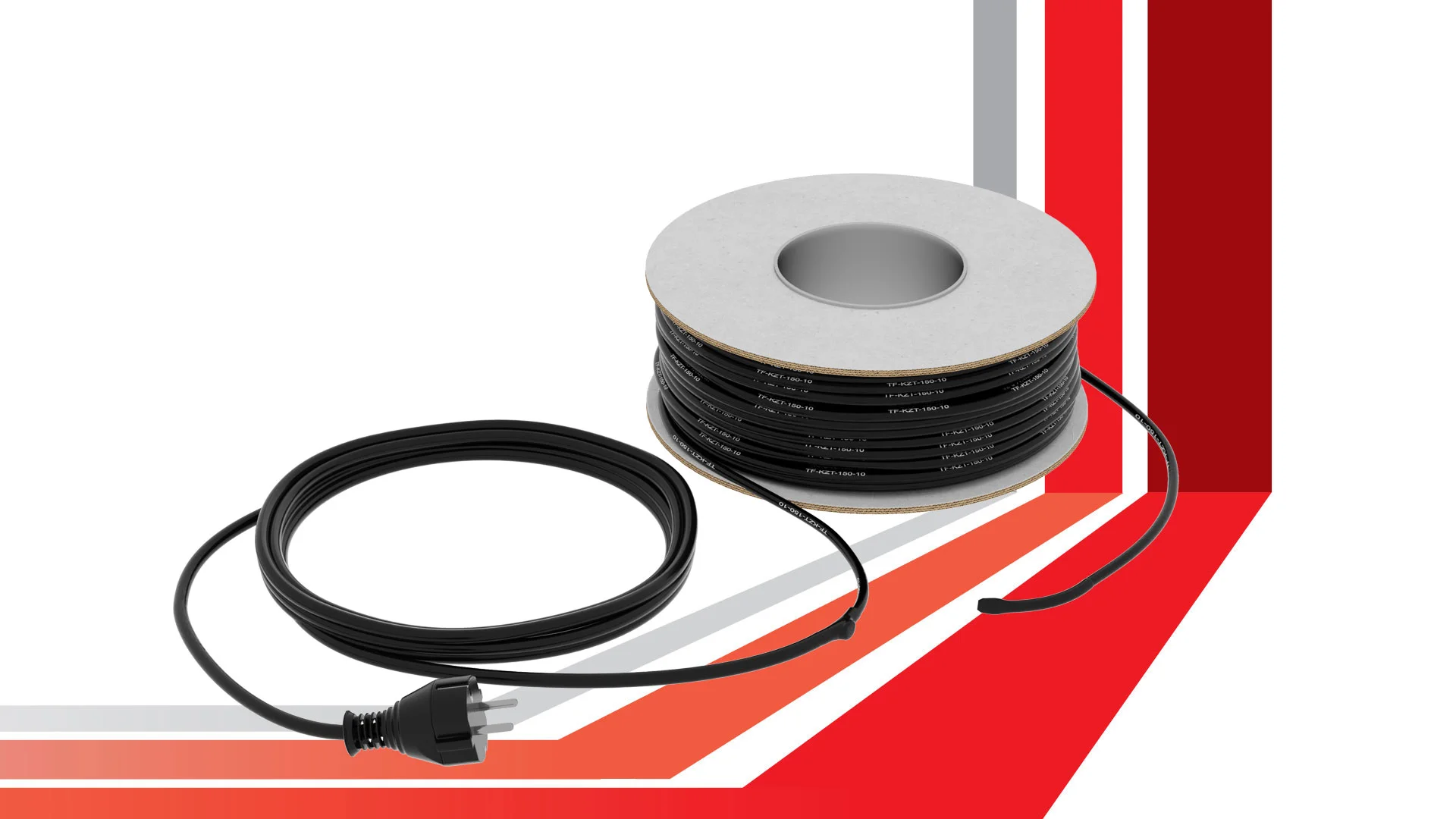
A heating cable for pipes emits heat along its entire length or at specific points – depending on the design. It is installed directly on the pipe or inside the pipe (depending on the model).
Its purpose is to:
- maintain a positive temperature in the pipe,
- prevent water from freezing,
- protect the installation from bursting,
- ensure the continuous operation of the system.
This is effective water pipe heating used both in homes and in industry.
Internal or External Cable – What to Choose?
This is one of the most common questions from customers.
External Cable
Installed on the surface of the pipe under thermal insulation.
Advantages:
- easy installation,
- quick service,
- wide application,
- a good choice for most installations.
Internal Cable
Inserted into the interior of the pipe, usually for special applications.
Advantages:
- direct contact with the medium,
- effectiveness in hard-to-reach sections.
In practice, most home installations use external cables.
Heating Cable for Water Pipe – Where to Install?
Most often on:
- the water supply pipe,
- the section from the well to the house,
- pipes in the garage,
- wires in the basement,
- the installation near the water meter,
- pipes in seasonal houses.
It is important to properly lay the cable and use thermal insulation, which increases the effectiveness of the system.
Thermostat or Self-Regulation – Which is Better?
Cable with Thermostat
The system activates when the temperature drops below the set level.
Advantages:
- good control of operation,
- lower purchase cost,
- simple operation.
Self-Regulating Cable
Automatically adjusts the heating power to the ambient temperature.
Advantages:
- energy savings,
- greater safety,
- user comfort,
- no risk of overheating.
This is one of the most modern solutions for protecting pipes in winter.
How Much Electricity Does a Heating Cable Use?
This is a very common question.
Energy consumption depends on:
- the length of the cable,
- the power per meter,
- external temperatures,
- the quality of insulation,
- operating time,
- the type of control.
In practice, a well-chosen system usually costs significantly less than repairing a burst installation or flooding a building.
Does the Heating Cable Work All the Time?
No, it doesn't have to. Modern systems use:
- thermostats,
- timers,
- weather automation,
- self-regulating cables.
Thanks to this, the installation operates only when needed. An ideal example here is the ICE-MASTER anti-freezing system
How to Effectively Protect Pipes from Frost?
The best effect is achieved by combining:
- heating cable,
- thermal insulation,
- appropriate control,
- proper installation.
This is significantly more effective than just insulation sleeves.
Heating Water Pipes in Home and Business – Why Is It Worth It?
Benefits:
- no frozen water,
- protection of pipes from bursting,
- lower risk of flooding,
- ability to use the facility in winter,
- installation safety,
- convenience and automatic operation.
Protection of Pipes from Freezing – Frequently Asked Questions (FAQ)
Can a heating cable for pipes be installed by oneself?
Mechanical installation can be simple, but electrical connection should be done according to the manufacturer's recommendations.
Is the heating cable safe?
Yes, if it is properly selected and installed.
Can the cable be used for plastic pipes?
Yes – the appropriate model and installation method should be selected.
Is the heating cable suitable for a summer house?
Yes, it is one of the best applications.
Why Choose TERMOFOL?
TERMOFOL offers proven solutions for protecting installations from winter, including:
- heating cables for pipes,
- anti-freezing systems,
- modern control,
- technical advice,
- assistance in selecting installations.
This makes it easier to adapt the system to a home, business, or seasonal facility.
If you want to avoid failures in winter, the best solution is a professional heating cable for pipes. A properly selected system ensures effective protection of pipes from frost, protects the installation, and allows for comfortable water use even during severe frosts.
Looking for a solution for your home, garage, plot, or business?
Contact TERMOFOL. We will help you choose effective water pipe heating tailored to your installation.
 +48 12 376 86 00
  Downloads
  biuro@termofol.pl


 Blog Termofol
 Published: May 1, 2026
  Reading time: 6 minutes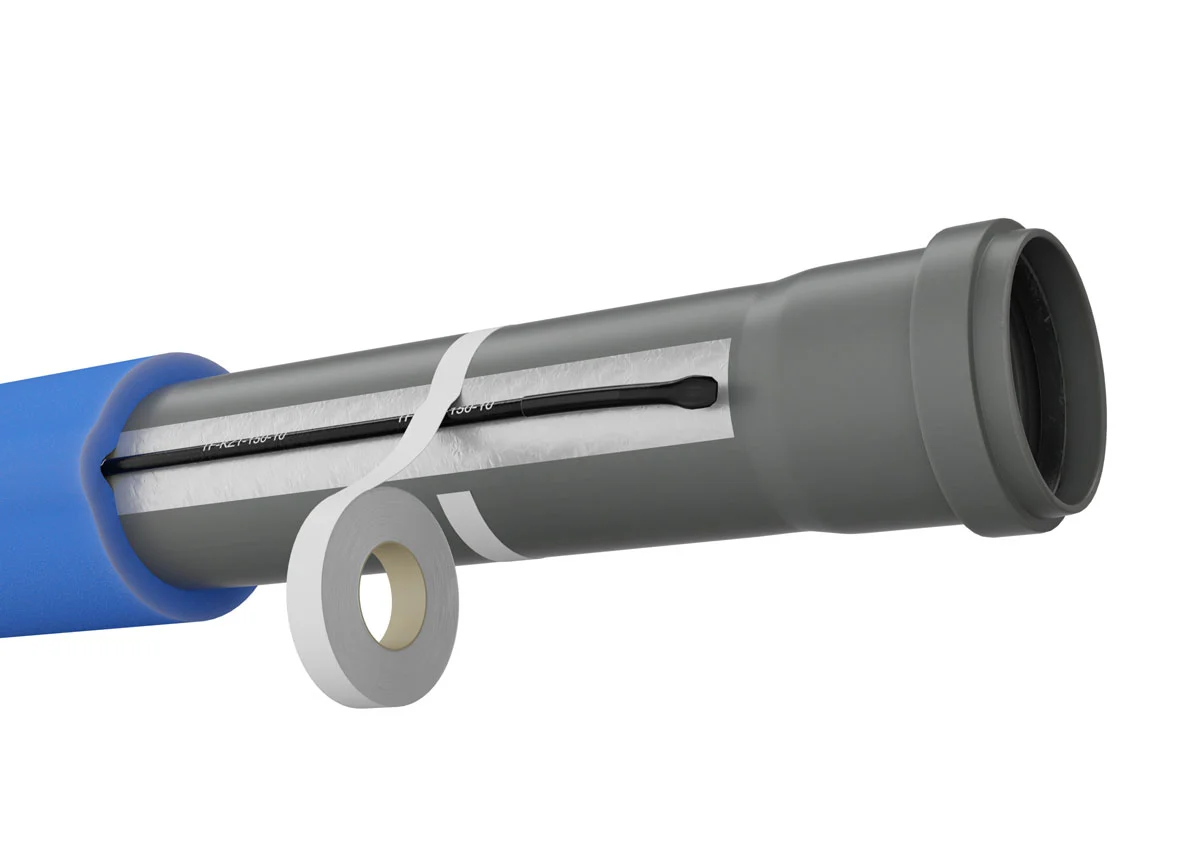
 General information