Modern underfloor heating has changed the way homes and apartments are designed
Just a few years ago, underfloor heating was mainly associated with water installations, thick screeds, and complicated systems of pipes hidden in the floor. Today, electric heating mats are gaining popularity, allowing for the creation of comfortable and modern underfloor heating in practically any home or apartment.
The growing interest in this solution is not accidental. Modern construction increasingly emphasizes:
- energy efficiency,
- ease of installation,
- modern interior aesthetics,
- intelligent temperature control,
- integration of heating systems with photovoltaics.
In practice, heating mats fit very well into the needs of modern investments — both new energy-efficient homes and apartments undergoing renovations.
At the same time, many people still ask themselves basic questions:
- What exactly is a heating mat?
- How does electric underfloor heating work?
- How does it differ from water underfloor heating?
- Will it work in every building?
These are the issues we will explore in this article.
What are heating mats?
A heating mat is a modern electric heating system designed for installation under the floor. It is most commonly used under:
- ceramic tiles,
- gres,
- vinyl flooring,
- selected floor panels.
The system is responsible for evenly heating the floor surface and then the entire room.
The greatest advantage of heating mats is their thin profile and ease of installation. Unlike traditional water underfloor heating, installation does not require extensive hydraulic infrastructure or a thick layer of screed.
Therefore, modern heating mats are often used:
- during apartment renovations,
- bathroom upgrades,
- finishing developer apartments,
- in modern energy-efficient homes,
- in investment apartments.
How is a heating mat constructed?
Although the entire system remains completely invisible after installation, its construction is relatively simple.
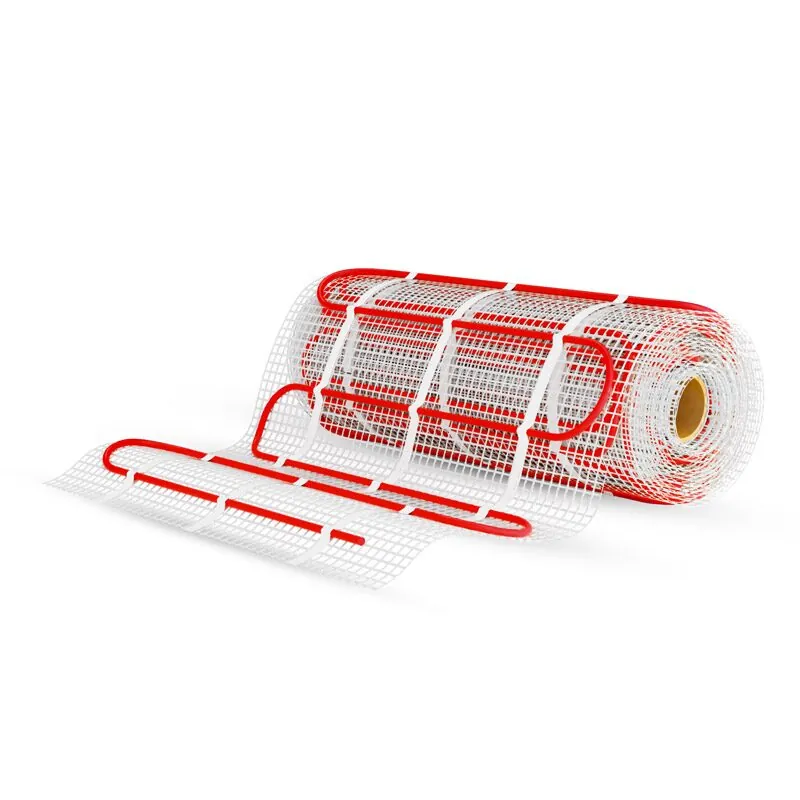
A modern heating mat consists primarily of:
- heating cable,
- mounting mesh,
- power supply cable,
- temperature sensor cooperating with a thermostat.
The most important element of the system is the heating cable responsible for generating heat. It is factory arranged on a special mounting mesh, allowing for quick and convenient installation.
It is this ready-made cable layout that distinguishes heating mats from classic heating cables that require independent planning of the entire system.
In practice, the installer lays the ready mat on the floor and adjusts its layout to the shape of the room. The mesh itself can be cut and rotated, but the heating cable must remain intact.
Modern heating mats from TERMOFOL are designed to ensure:
- even temperature distribution,
- fast floor heating,
- safe usage,
- high durability of the system.
How does electric underfloor heating work?
The principle of electric underfloor heating operation is relatively simple.
When the system is activated, electricity flows through the heating cable, which begins to emit heat. The energy is transferred directly to the floor surface and then evenly spreads throughout the room.
This method of heat distribution is one of the greatest advantages of underfloor heating over traditional radiators.
In classic systems:
- the highest temperature occurs near the radiator,
- warm air rises to the ceiling,
- the floor remains cooler.
In the case of heating mats, the situation is different. Heat is evenly distributed from the floor upwards, making the temperature in the room more natural and comfortable for users.
In practice, this means:
- pleasantly warm floors,
- no cold zones,
- more stable temperatures,
- higher comfort of daily use of the interior.
Why does underfloor heating provide a different comfort than radiators?
Many users only notice after the first heating season how much the method of heat distribution affects daily comfort.
Classic radiators primarily heat the air around them. Underfloor heating operates more evenly and naturally, making thermal comfort felt more quickly even at slightly lower air temperatures.
The warm floor itself also plays a significant role. This is particularly noticeable:
- in bathrooms,
- living rooms with tiles,
- kitchens,
- children's rooms.
In practice, users quickly get used to this type of comfort.
Heating mats vs water underfloor heating — key differences
This is one of the most frequently compared solutions when building a house or renovating an apartment.
Although both systems utilize underfloor heating, their construction and operation differ significantly.
Water underfloor heating
Classic water underfloor heating is based on a system of pipes embedded in a thick layer of concrete screed. The installation requires:
- distributors,
- pipes,
- heat source,
- boiler room or heat pump,
- more extensive installation work.
This solution is very popular in new single-family homes, especially when building from scratch.
Electric heating mats
Heating mats operate much more simply. The system does not require:
- hydraulic installation,
- pipes,
- boiler rooms,
- distributors,
- significant intervention in the floor structure.
Due to their thin profile, mats can be installed:
- during renovations,
- in apartments,
- in existing rooms,
- without significantly raising the floor level.
In practice, the simplicity of installation is one of the greatest advantages of electric underfloor heating.
Are heating mats energy-efficient?
This is one of the most frequently asked questions by investors.
Just a few years ago, electric heating was mainly associated with high operating costs. Today, the situation is quite different.
Modern energy-efficient buildings have significantly better insulation than older properties. Additionally, the following factors are crucial:
- smart thermostats,
- work schedules,
- zonal temperature control,
- integration with photovoltaic systems.
Modern heating mats from TERMOFOL can cooperate with WiFi thermostats, allowing for very precise temperature management in specific rooms.
In practice, the system can operate only when it is truly needed.
Will heating mats work in every home?
This primarily depends on:
- the energy standard of the building,
- the function of the system,
- the type of rooms,
- the investor's expectations.
In modern energy-efficient homes, heating mats are increasingly serving as the main heating system.
In apartments and older buildings, they are often used as:
- comfortable supplementary heating,
- heating for bathrooms,
- an addition to the existing heating system.
In practice, the most important factor is the proper adaptation of the system to the specific investment.
Where are heating mats most commonly used?
Heating mats are most commonly installed:
- in bathrooms,
- kitchens,
- living rooms,
- apartments,
- modern homes,
- investment apartments,
- offices and service premises.
They are increasingly used in modern premium projects, where aesthetics of the interior and the absence of visible radiators are of great importance.
Why is the popularity of heating mats continuously increasing?
The growing interest in electric underfloor heating stems from several factors at once.
Modern heating mats:
- provide high user comfort,
- allow for the creation of minimalist interiors,
- are relatively simple to install,
- work well with photovoltaics,
- enable intelligent temperature control,
- do not require the construction of an extensive boiler room.
This is why more and more investors are choosing electric underfloor heating today, both during the construction of a house and the renovation of an apartment.
Heating mats are a modern underfloor heating system that fits very well into the needs of contemporary construction. Thanks to their simple design, thin profile, and the possibility of intelligent temperature control, this solution finds application in both new homes and during apartment renovations.
Unlike classic water underfloor heating, the system does not require complicated hydraulic installation, which significantly simplifies installation and increases application flexibility.
The growing popularity of photovoltaics and modern energy-efficient buildings makes electric underfloor heating one of the most interesting directions for the development of modern heating systems today.
 +48 12 376 86 00
  Downloads
  biuro@termofol.pl


 Blog Termofol
 Published: May 13, 2026
  Reading time: 6 minutes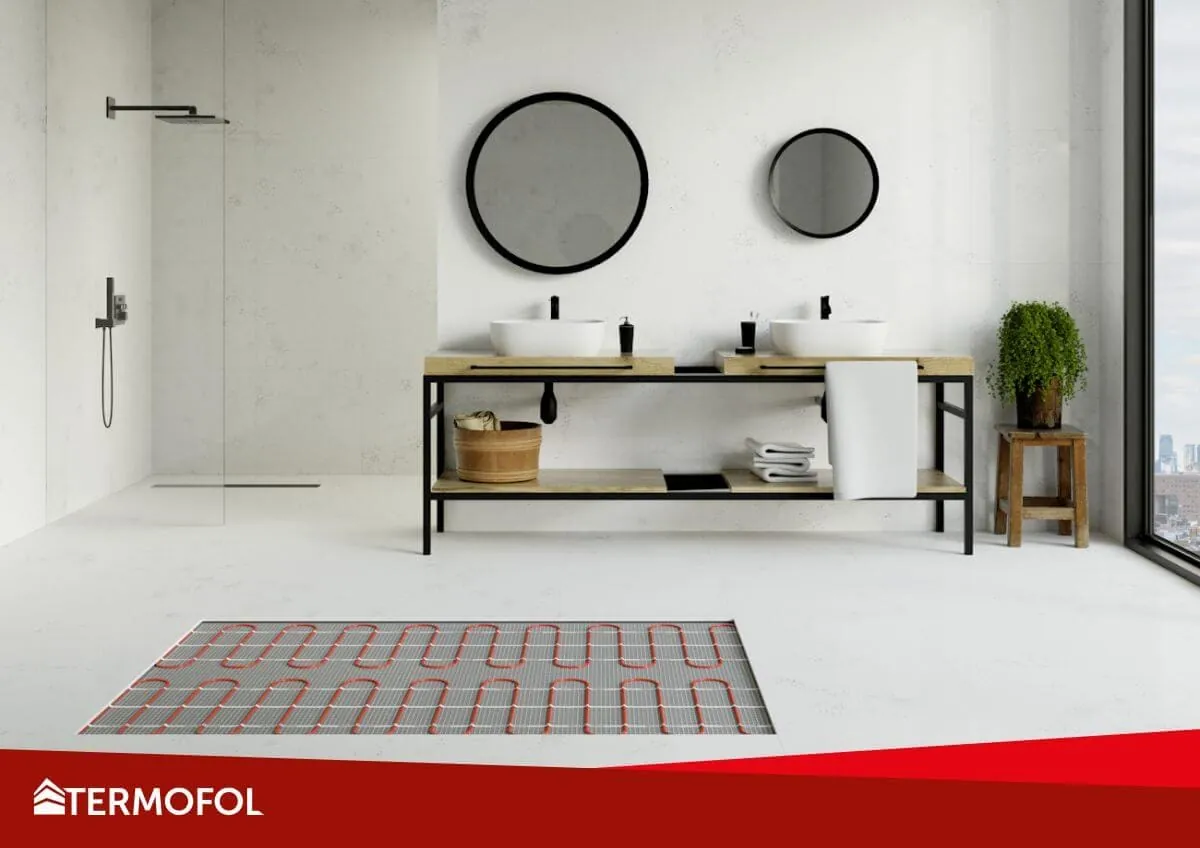
 General information