 +48 12 376 86 00
  Downloads
  biuro@termofol.pl


Heating films
Heating films are one of the most popular types of underfloor heating
A cold floor after getting out of the shower or a chilly morning in the kitchen is a problem you can solve once and for all. Underfloor heating films provide pleasant, even warmth exactly where you need it.
Quick filters
2 products — Heating films
Heating films
Filters and categories
Product categories
Price
€
—
€

Not sure what to choose?
Use the configurator if you don't know what power and size of heating to choose.
Launch configuratorSystem
Heating hidden under the floor

No radiators

Quick installation

No boiler room

Temperature control
How it works
How does heating film work?
01
Power supply
02
Heat generation
03
Warm floor surface
04
Comfort in the room
Conventional heating
TERMOFOL heating films
Specifications
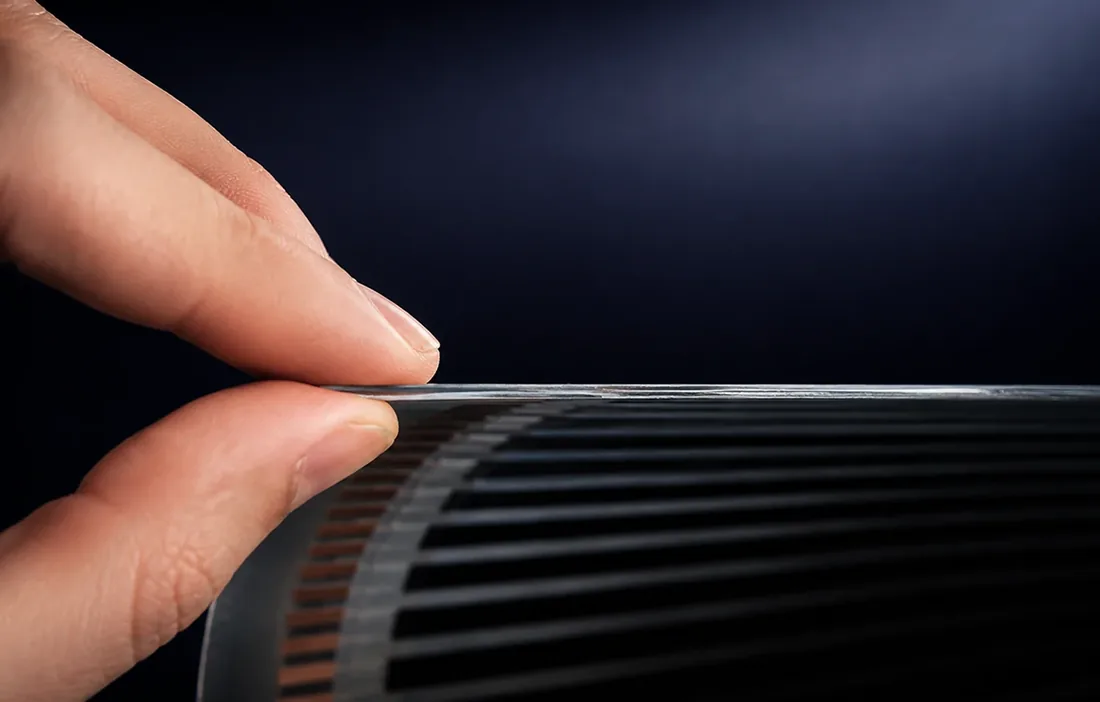
Only 0.338 mm thick
The heating film forms an exceptionally thin layer of the underfloor heating system.
- 0.338 mm
- Film thickness
- 25 / 50 / 100 cm
- Available widths
- 60 / 80 / 140 / 220 W/m²
- Available power ratings
- every 25 cm
- The film can be cut at the marked points
Construction
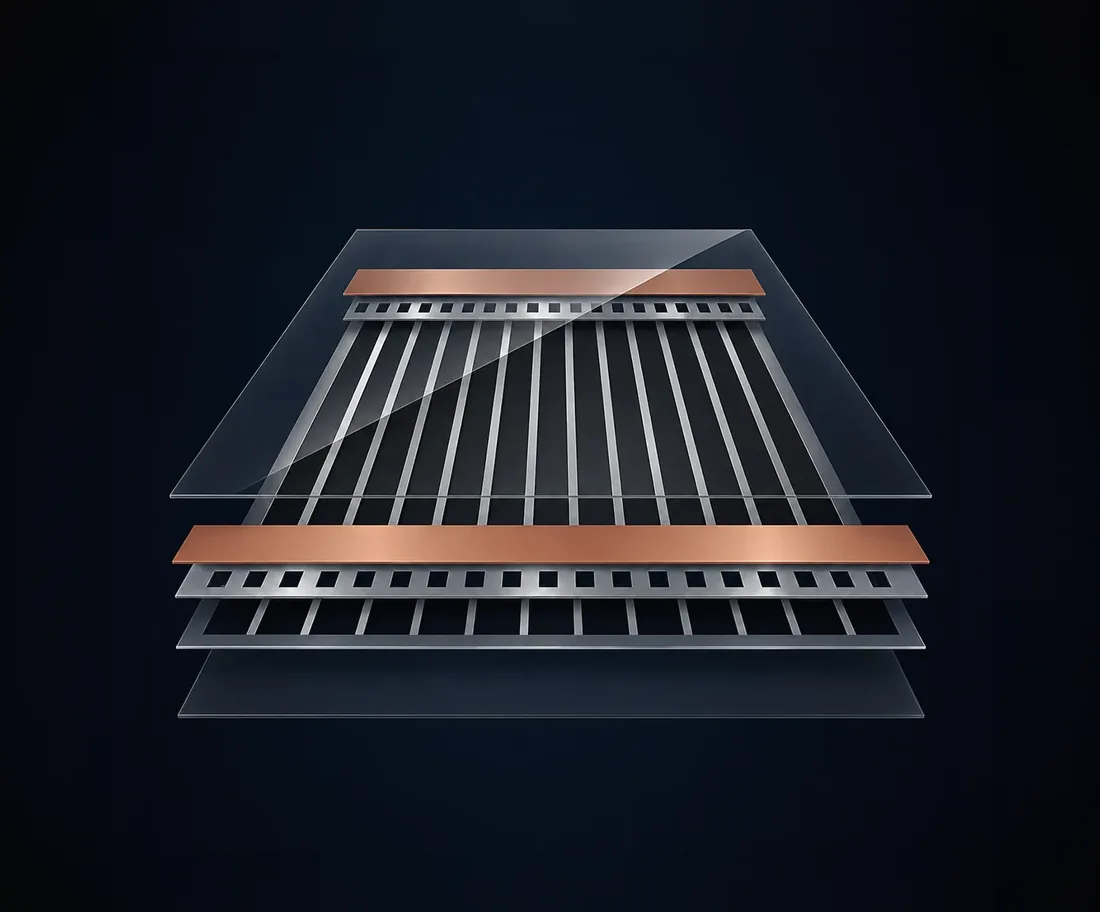
What is TERMOFOL heating film made of?
Although the heating film is only a fraction of a millimetre thick, it is made up of several components that work together.
Power options
One technology. Different needs.
60
80
140
220
Not sure which power rating to choose?
Floors
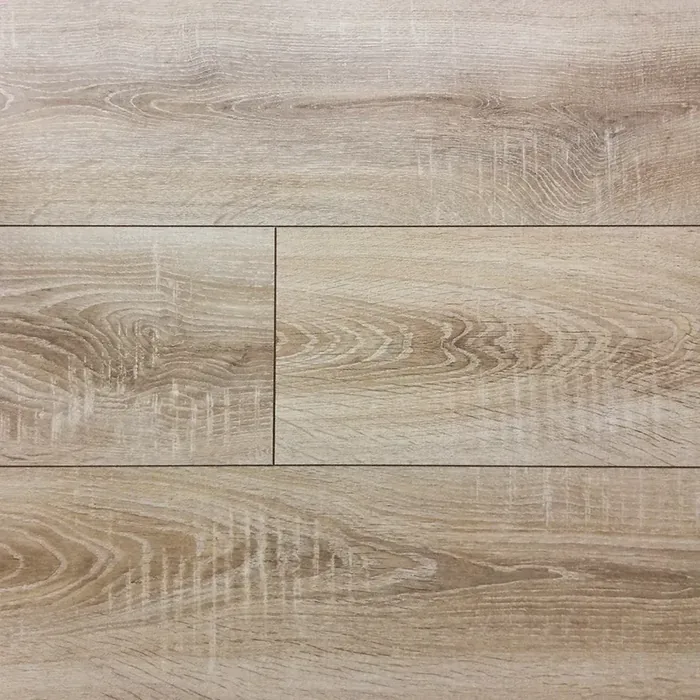
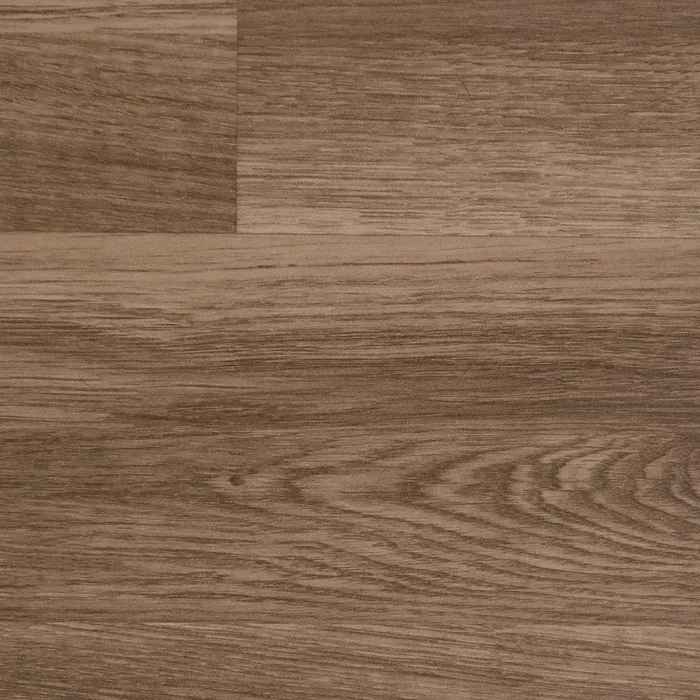
Under laminate. Under vinyl. Under wood.
Laminate flooring
SPC / vinyl flooring
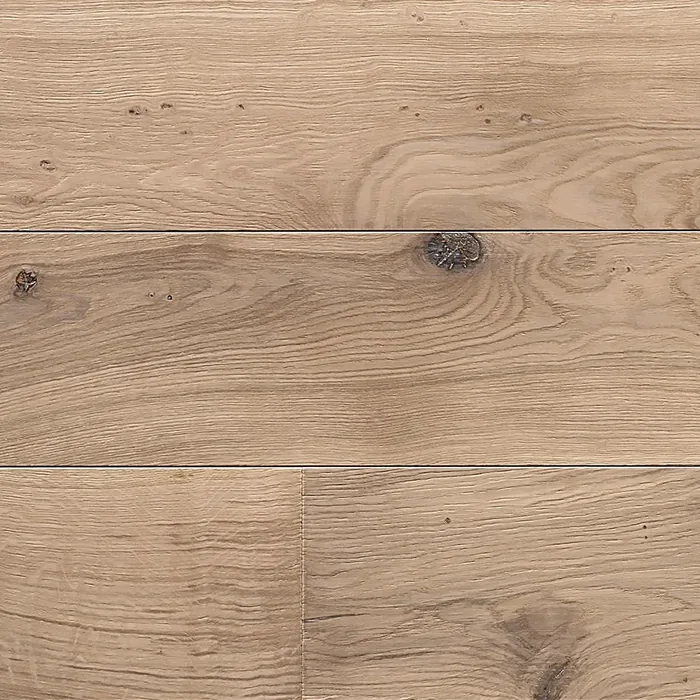
Engineered wood
Control
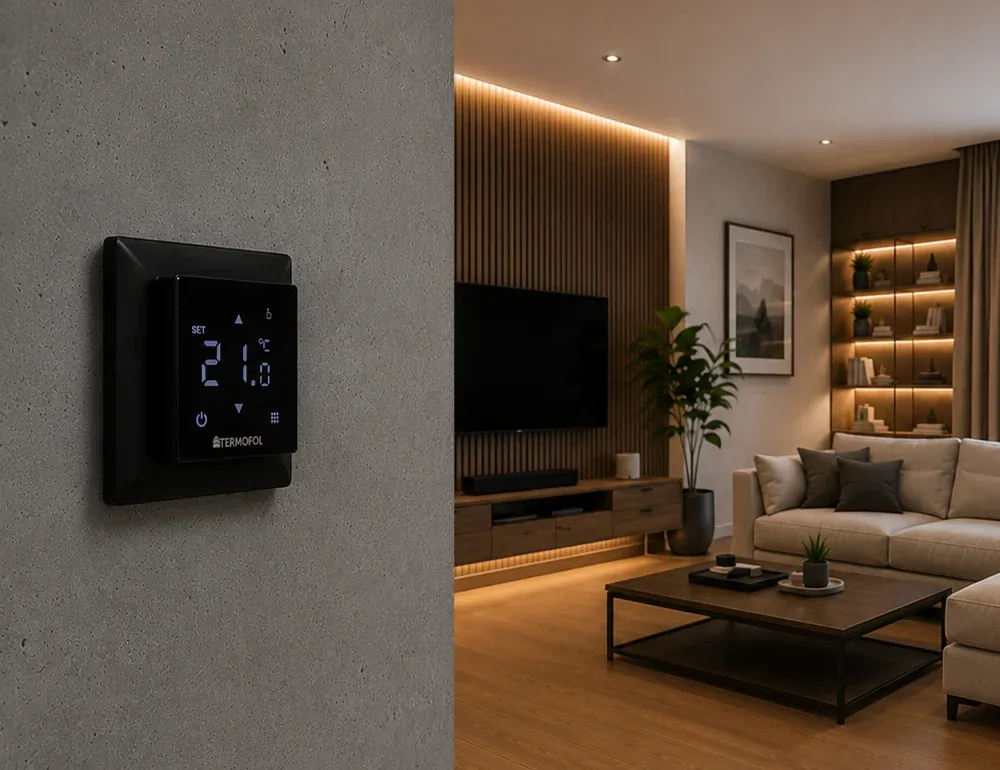
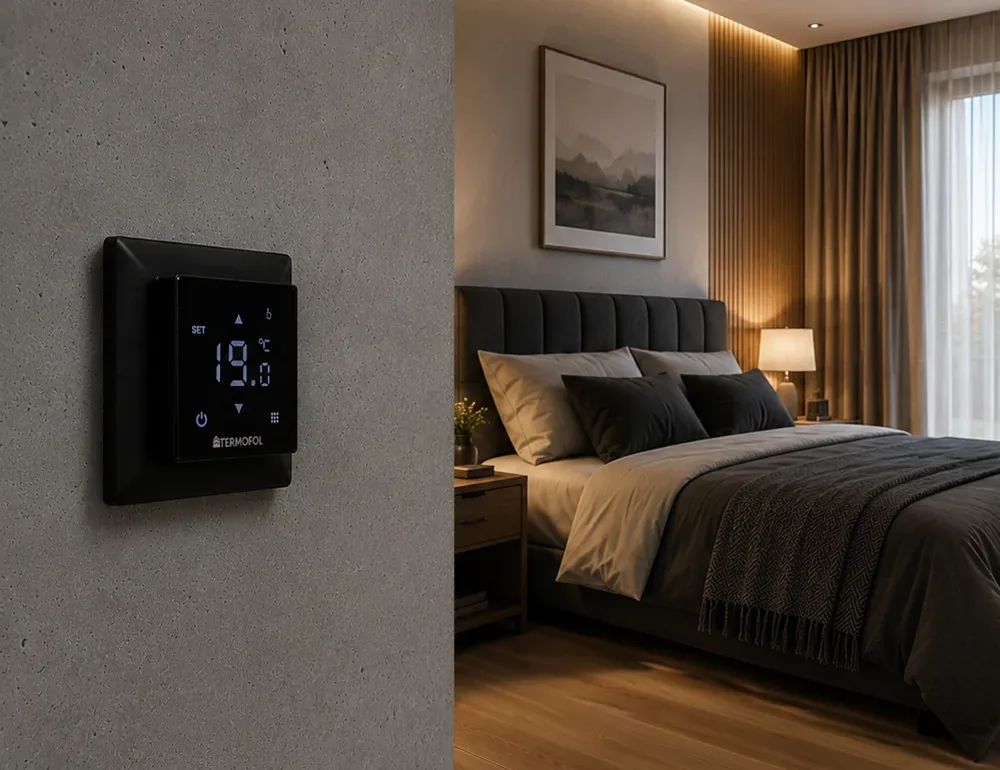
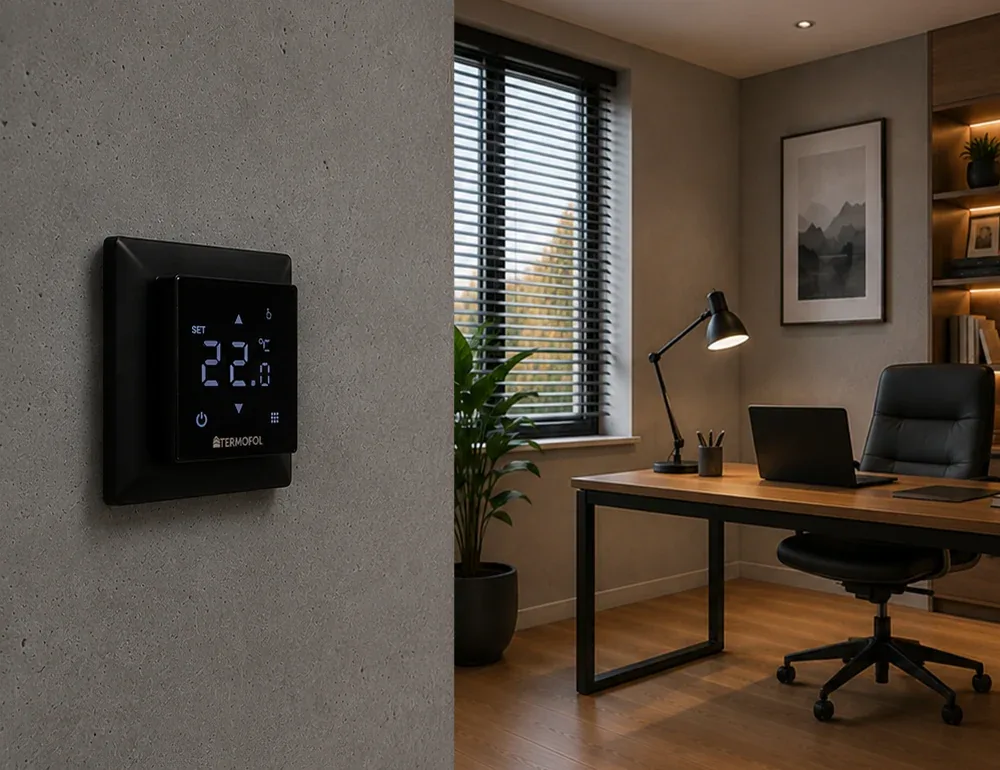
Every room can have its own temperature
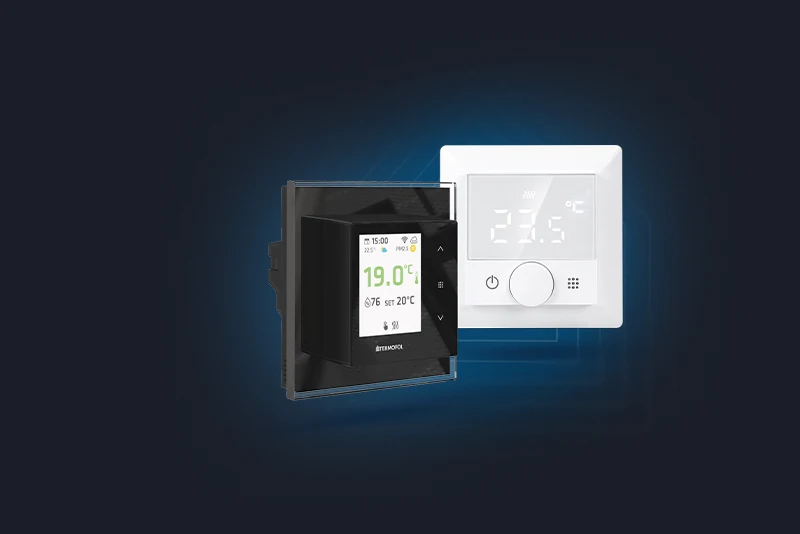
The thermostat is the heart of the system.
The controller manages the temperature and heating operation in each room. Depending on the model, features include schedule programming and remote control.
Widths
A system that fits the room
- 25 cm
- 50 cm
- 100 cm
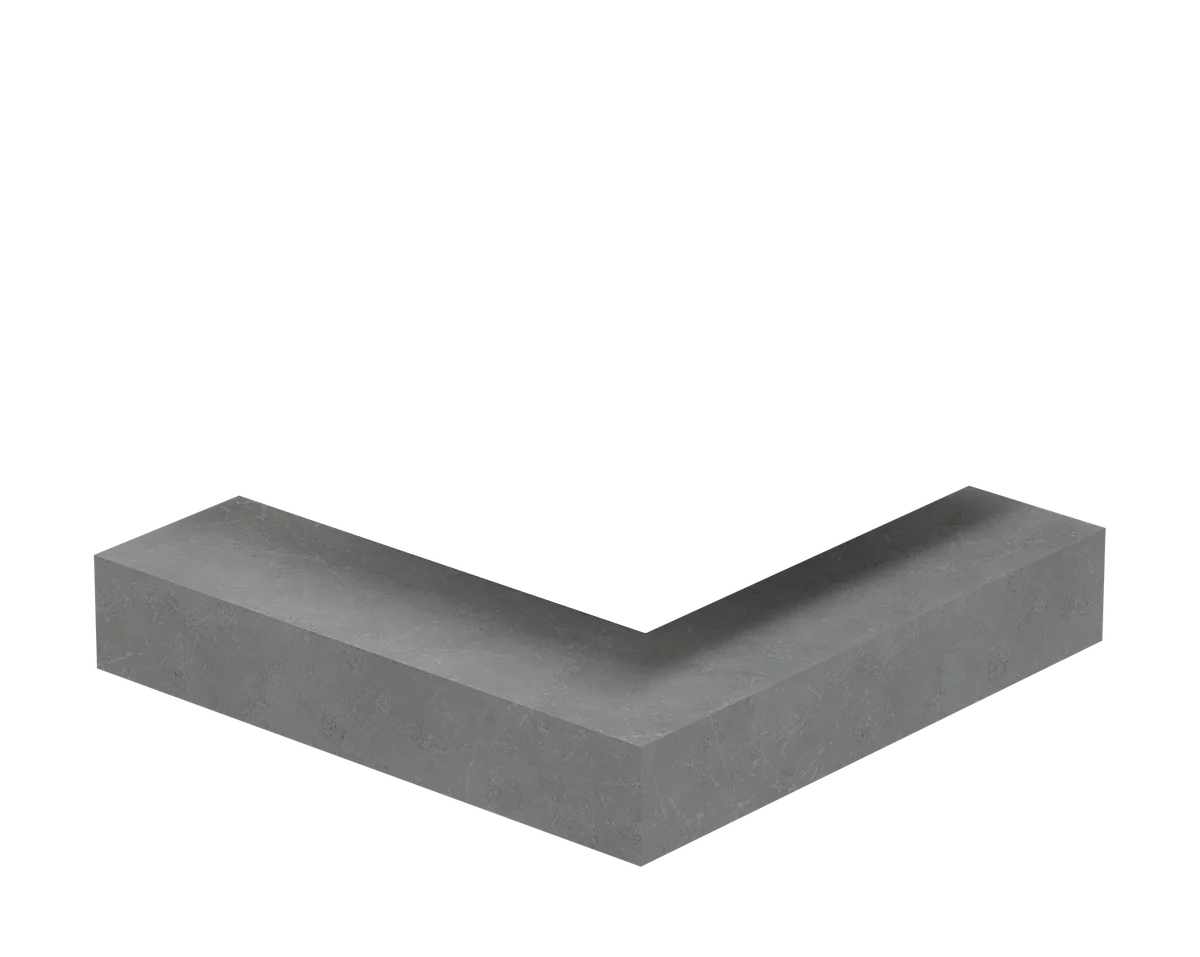
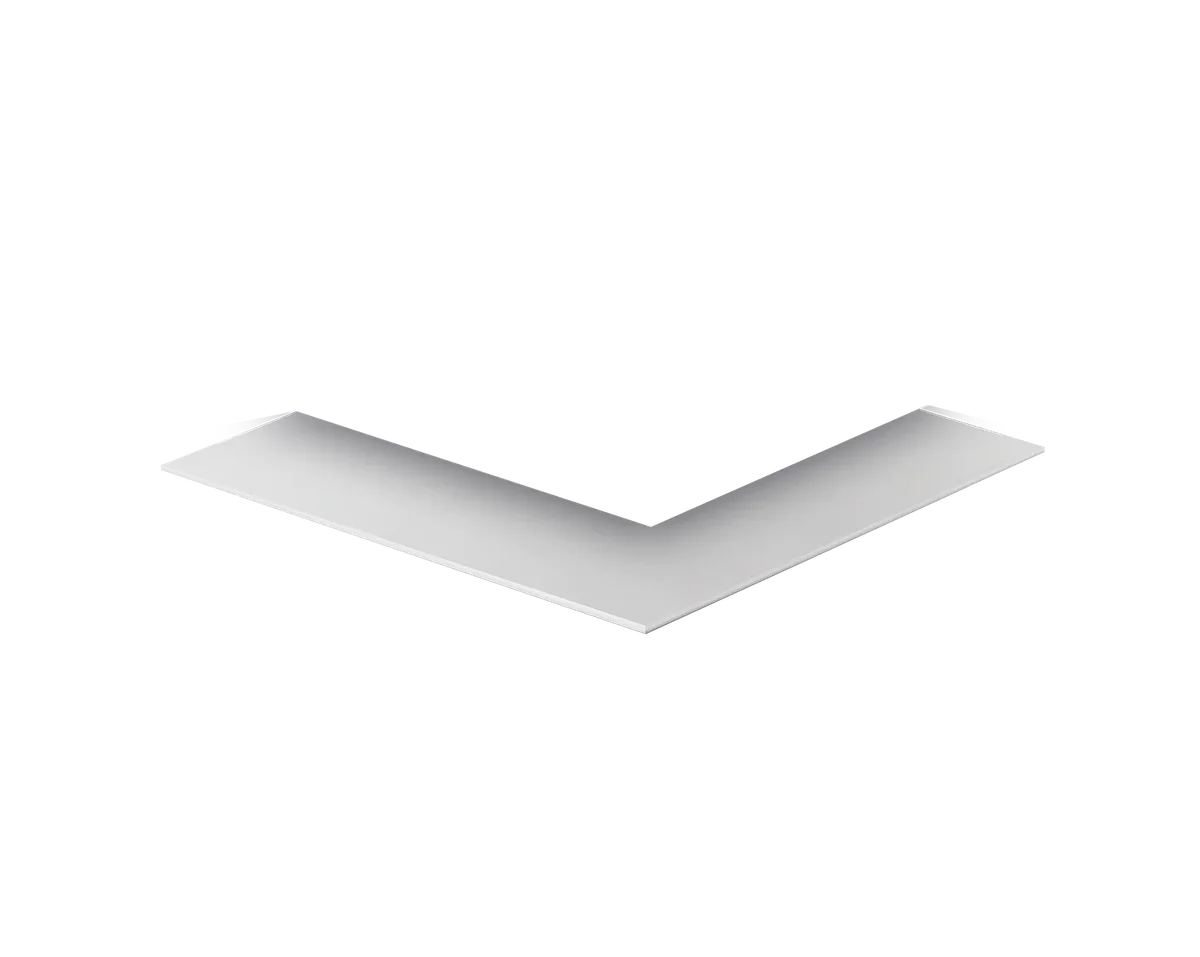
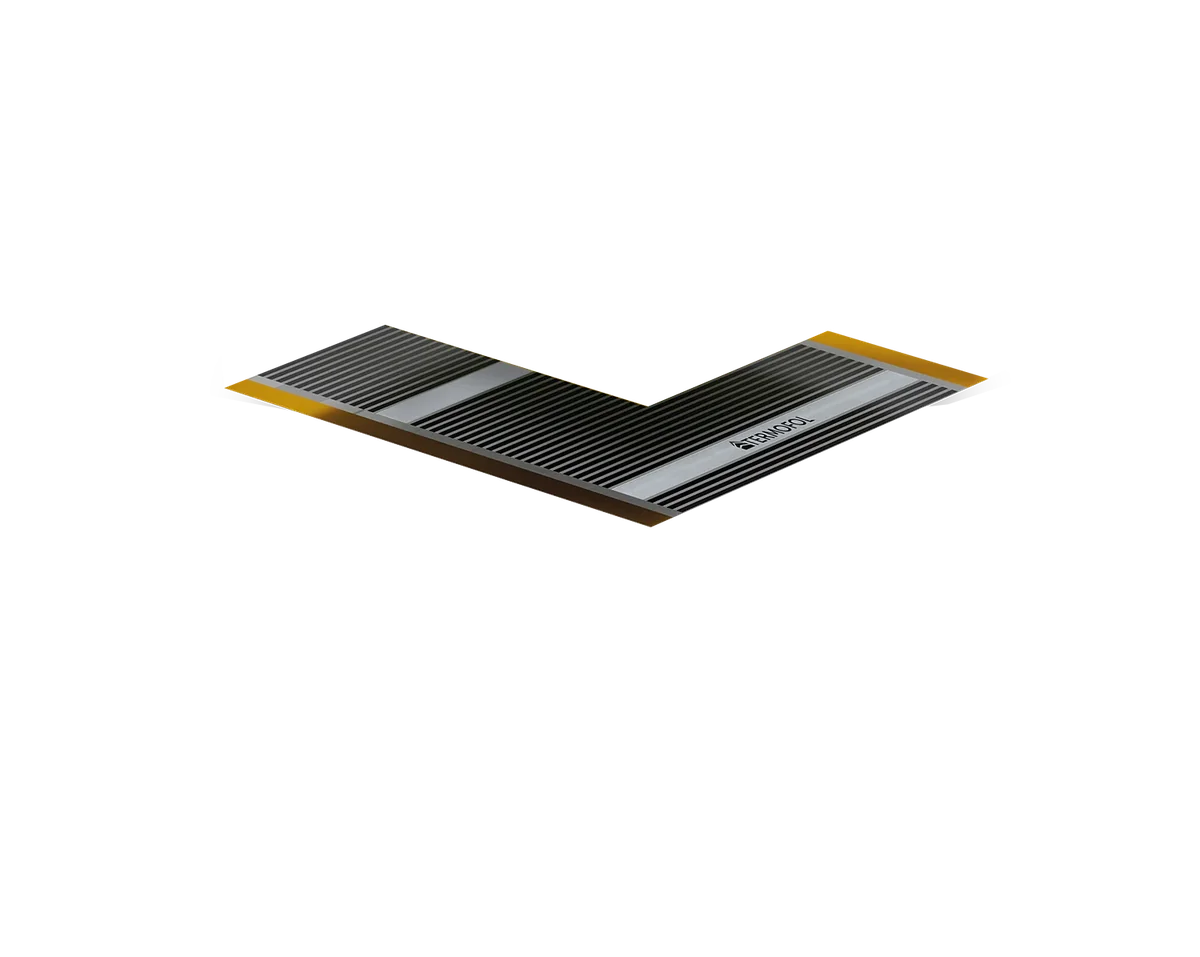
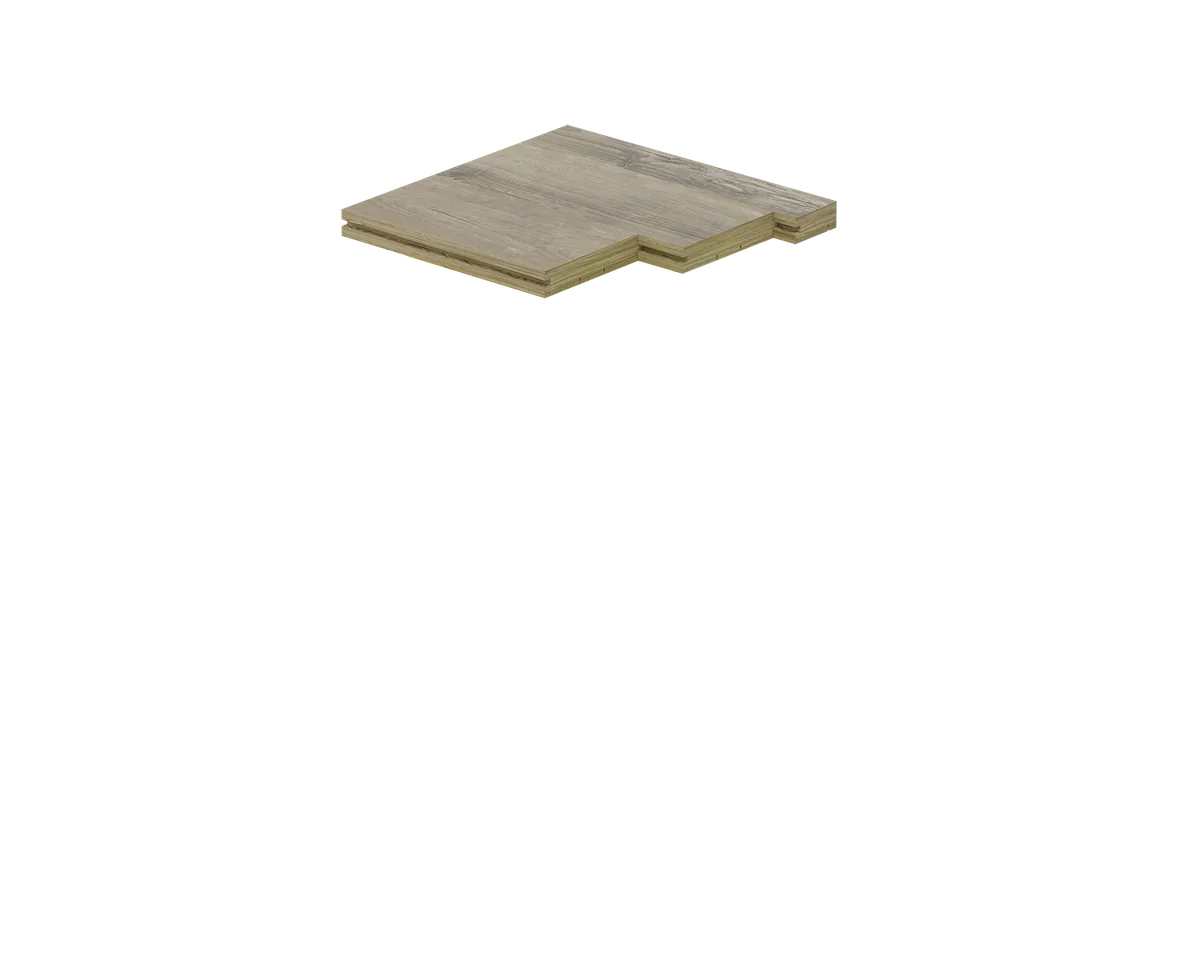
Technical cross-section
Discover how a heating film system is built
Kits
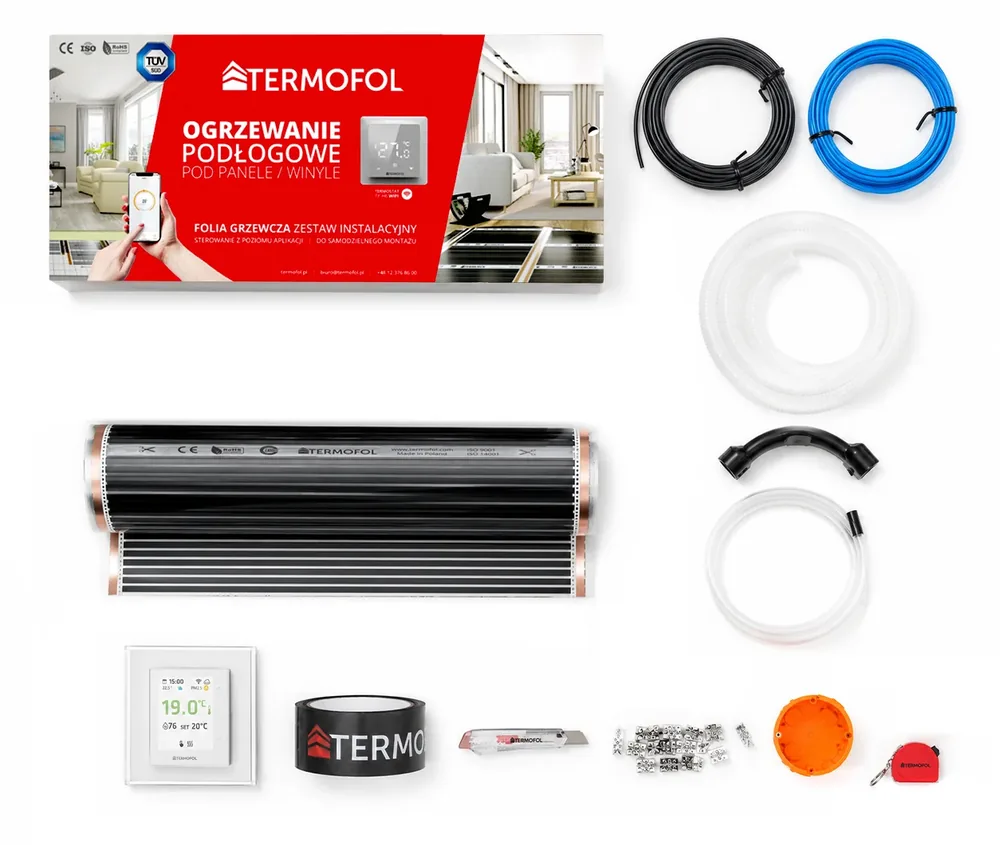
A complete underfloor heating kit
Heating Film – A Modern Heating Method
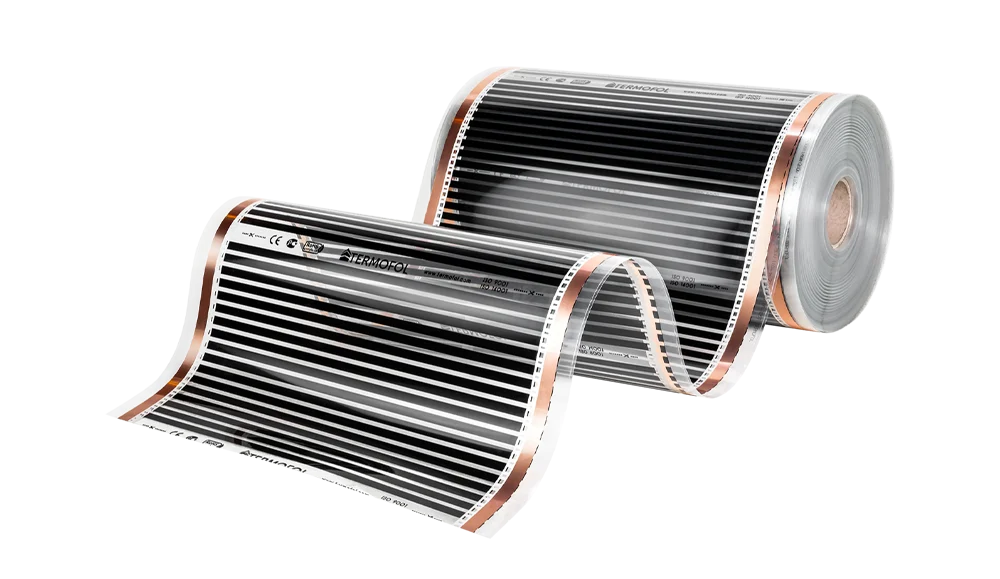
Heating films are a modern solution in the field of heating. The heat emission process works on the principle of infrared radiation, which makes heating more efficient. A heating film is essentially a flexible heater. It is made of high-quality carbon with specific properties and an aluminium compound. The individual materials are applied in layers using an innovative process associated with printing. It is precisely these layers that are responsible for the emission of infrared rays.
The base of the underfloor heating film is PET film. It is characterised by considerable resistance to mechanical damage and abrasion. It also offers good insulation and fire resistance, which makes the whole system very safe. The heating film is powered via a copper strip that is permanently connected to the electrical mains. This heating method is controlled using a panel built into the wall.
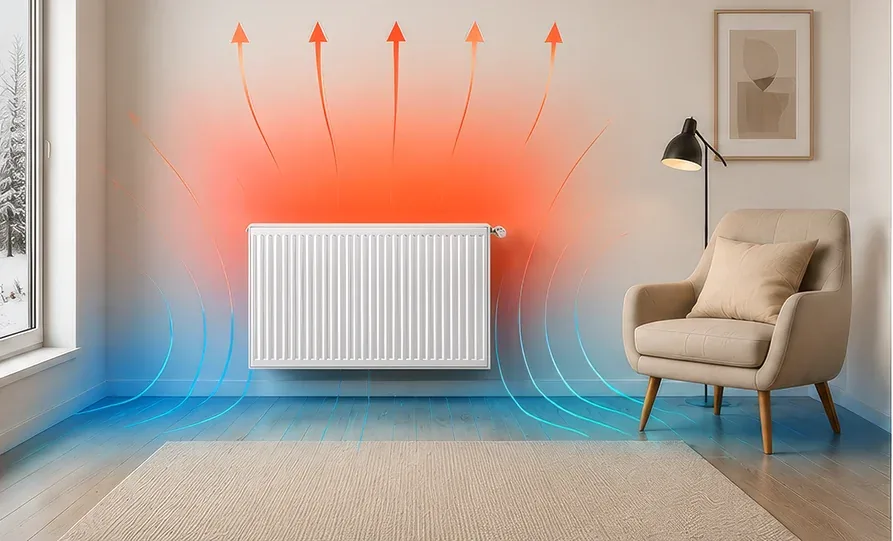
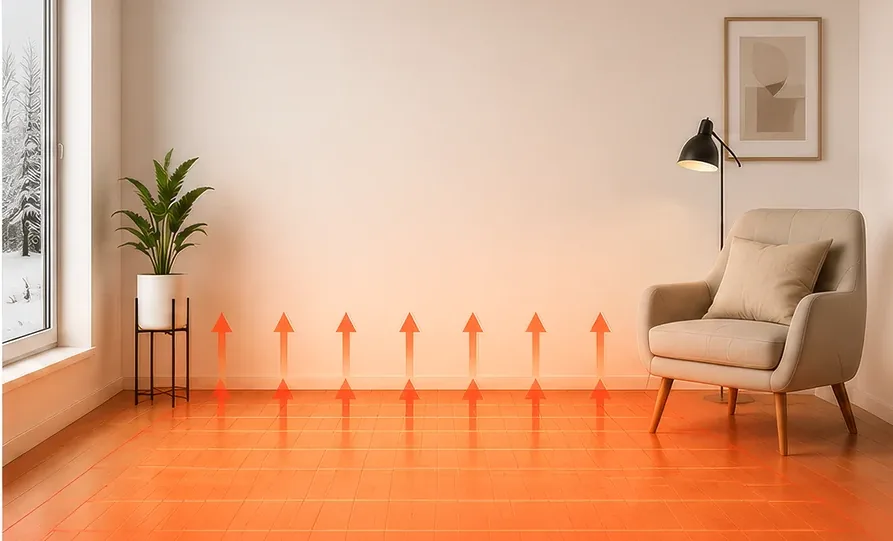
How does heating film differ from traditional heating? Infrared does not heat the air, as is the case with standard convector systems. Infrared rays heat the specific objects they are emitted onto. If heating film is placed under floor panels, the flooring elements themselves are heated. For this reason, ceiling heating film, installed on the ceiling under a layer of plasterboard, also makes a lot of sense. Unlike other systems, the heat rays are emitted into the room first, rather than rising upwards.
Benefits of Heating with Heating Film
Heating film is a flexible, thin electric infrared heater. It is available in various heating powers and widths. The heat and infrared generator is a graphite paste mixture, and the heating power depends on its density and proportions.
- Low purchase cost – heating films are cheaper than most underfloor and central heating systems.
- Longevity – a good heating film is resistant to damage and durable, with an estimated lifespan of up to one hundred years.
- Minimal heat loss – heating films generate temperature exactly where heating is needed, avoiding the heat losses associated with energy transmission.
- Full automation – modern heating film does not require monitoring fuel tank levels or manual temperature control, unlike standard boilers.
- Precise heating settings – carbon heating film reacts very quickly to changes in the desired temperature.
- No network of radiators – 12V and mains-powered heating film can be installed within walls and floors, avoiding the installation of radiators, which can be a problem in modern interior designs.
- Low operating costs – modern underfloor heating films consume up to half as much electricity as traditional heating mats.
- No heating boiler needed – mains power means infrared heating films do not require a boiler room, a central heating furnace, or an extensive heating network.
- No typical installation problems – using heating films means you don't have to worry about tasks such as topping up the central heating water or bleeding the system.
- No chimney worries – infrared heating film does not require flue gas venting, so regular seasonal chimney inspections and cleaning are no longer needed.
- Safe operation – floor, ceiling or wall heating film will not cause problems with carbon monoxide or improper flue gas venting. It also avoids other typical problems associated with central heating boilers, such as the risk of fire or explosion.
Specification
| Model | Width | Thickness | Power per running metre | Power per m² | Roll length | Roll weight | Max. temperature | Voltage |
|---|---|---|---|---|---|---|---|---|
| TF-3025T | 25cm | 0.338mm | 55W | 220W | 150m | 19kg | 55°C | AC230V |
| TF-305T | 50cm | 0.338mm | 110W | 220W | 150m | 39kg | 55°C | AC230V |
| TF-310T | 100cm | 0.338mm | 220W | 220W | 100m | 49kg | 55°C | AC230V |
| TF-3025TL | 25cm | 0.338mm | 35W | 140W | 150m | 19kg | 42°C | AC230V |
| TF-305TL | 50cm | 0.338mm | 70W | 140W | 150m | 39kg | 42°C | AC230V |
| TF-310TL | 100cm | 0.338mm | 140W | 140W | 100m | 49kg | 42°C | AC230V |
| TF-3025TT | 25cm | 0.338mm | 20W | 80W | 150m | 19kg | 32°C | AC230V |
| TF-305TT | 50cm | 0.338mm | 40W | 80W | 150m | 39kg | 32°C | AC230V |
| TF-310TT | 100cm | 0.338mm | 80W | 80W | 100m | 49kg | 32°C | AC230V |
| TF-3025TH | 25cm | 0.338mm | 15W | 60W | 150m | 29kg | 29°C | AC230V |
| TF-305TH | 50cm | 0.338mm | 30W | 60W | 150m | 39kg | 29°C | AC230V |
| TF-310TH | 100cm | 0.338mm | 60W | 60W | 100m | 49kg | 29°C | AC230V |
| TF-305ET | 50cm | 0.338mm | 200W | 400W | 150m | 38kg | 75°C | AC230V |
| TF-303DC12V | 30cm | 0.338mm | 67W | 220W | 150m | 23kg | 55°C | DC12V |
Use of Heating Films in Buildings
The small thickness and ease of electrical power supply mean it is hard to find an area where heating film would not work well. User feedback confirms the huge potential this solution offers. There is no need to design a central heating network or install a heating boiler. Often, even a mains connection is not required, as demonstrated by battery-powered 12V heating film.
Infrared heating film can be used as a supplement to convector heating networks. In that case, these heaters can be installed only in selected spots that are particularly prone to cooling down. This modern method can also serve as standalone heating if suitable heating film is chosen for use under floor panels. The total cost of such an installation can often be much lower than building a heating network and investing in a solid-fuel boiler.
The most popular solution used in most buildings is underfloor heating film. This heating method can be used in residential buildings, offices or commercial premises. Underfloor heating film makes the floor panels warm to the touch. This makes it possible to walk around barefoot, makes it easier to play with children on the floor, and improves the perceived warmth of the whole room.
Underfloor heating film works particularly well in places without fixed built-in furniture, where there is a large open space available. However, not all buildings offer such conditions. An interesting alternative is ceiling heating film, which involves installing the system under the ceiling slab. Installation proceeds in exactly the same way as when laying heating film under floor panels, and the heated layer is usually covered with plasterboard. Expert and user opinions confirm that, thanks to infrared rays, it is the room that is heated — not the building's roof.
Another area inside a home where infrared heating films can be installed is the walls. Installing systems on vertical structural parts brings specific benefits — heating film can replace impractical radiators and become invisible heating. Like heating mats, films can be covered with plasterboard, and floor panels or wall panelling will not interfere with proper heating either.
Underfloor Heating Film in Smart Homes
Thanks to its versatility, heating film under floor panels works perfectly in modern residential buildings. Its installation is simple and quick — the film is placed directly under the floor panels, eliminating the need for additional insulation layers. Underfloor heating film is now becoming an increasingly common element of smart home systems. Thanks to integration with modern controllers, users can manage the room temperature via mobile apps or voice assistants. This kind of control allows the system to be adapted to the individual needs of household members, which not only increases comfort but also contributes to energy savings.
Heating film in smart home systems can be programmed to heat the interior at specific times or to automatically adjust its operation to weather conditions. This solution works excellently in energy-efficient and passive buildings, where optimal energy use is of key importance. Heating film under floor panels ensures even heating of the entire floor surface, which is particularly important in large rooms. Once the system is switched on, the floor quickly becomes pleasantly warm, and users can enjoy thermal comfort even on colder days.
Infrared Heating Film – Eco-Friendly Heating of the Future
Infrared heating film is a technology gaining popularity thanks to its eco-friendliness and efficiency. Infrared radiation is natural and healthy, and it works by directly heating objects and people rather than the air itself. As a result, warmth is felt more quickly, and energy losses are minimal. Underfloor heating film is also environmentally friendly — it emits no fumes or pollutants, making it an ideal solution for environmentally conscious users. What's more, installing the system does not require major financial outlay, and its operation is cheaper compared to traditional methods.
Thanks to modern infrared technology, heating film can be used in various types of buildings, from flats to industrial halls, while providing healthy and comfortable thermal conditions. Heating film works excellently in bathrooms, kitchens and hallways, where the floor is often exposed to moisture. With heating film, floor warmth is noticeable just a few minutes after the system is switched on, which is a major advantage over traditional heating. In this case, thermal comfort and aesthetics go hand in hand with energy efficiency and a modern approach to heating.
Other Uses of Heating Film
Residential, office or commercial buildings are not the only places where heating films work well. Their price, ease of installation and compact size encourage users to look for new applications. Underfloor heating film can become a way of heating sacred buildings, which usually have cold stone floors — the film can be laid under pews and chairs, so that heat is generated exactly where it is needed.
Underfloor heating film is also often used in caravans that do not have their own heating. It can be installed in motorhomes, at campsites, or in garden gazebos and holiday cabins. Modern infrared heating film is also often laid at shop windows, where it creates a barrier and protects against heat loss.
How to Install Heating Film Yourself? – Complete Kit
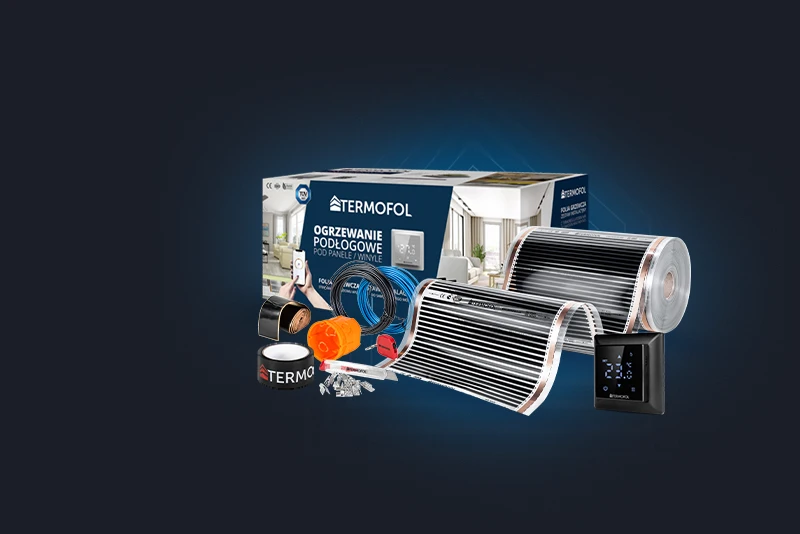
Infrared heating film can be installed yourself during finishing and renovation work. Our company makes this task easier by offering customers ready-made installation kits. Thanks to the included products and clear instructions, installation will go smoothly. The kit includes:
- TERMOFOL heating film – a top-quality product that can be used to heat any space,
- flush-mounted electrical installation box – a spot for wall mounting where the heating film control panel will be placed,
- plastic protective conduit – used to house the cables intended for installing and removing the floor sensor,
- cables intended for powering the infrared heating film,
- tape for installing TERMOFOL heating film,
- additional accessories – a tape measure, a utility knife, clear instructions for installing infrared heating film, and a warranty card.
It is worth remembering that underfloor heating film must not be placed in areas where fixed built-in furniture is planned. In such an area, the film should not be laid, and the unnecessary section should be cut off — every cut must be made along the lines marked on the heating film. Fixed built-in furniture does not include movable furniture or furniture standing on supports with a clearance of at least three centimetres from the floor.
Visualization of Direct-System Heating Film Installation
Visualization of Underfloor Heating Installation Under Panels / Floorboards
Frequently Asked Questions
What is heating film?
Infrared heating film, also known as heating foil, is a high-quality product that works well in almost any application. It is ideal as surface heating, particularly for underfloor, ceiling and wall heating.
What is the difference between heating film and a heating mat?
Unlike classic heating cables or mats, heating film heats the entire surface rather than only locally through a high-temperature wire, which means it can be installed under any flooring. Heating film consumes 50% less electrical energy than a traditional heating mat.
Is heating film harmful?
Heating film is a safe product — it has been tested by research bodies accredited by the European Commission.
How do I choose the right heating film power for my home?
The heating film should be selected based on design data. If you want to choose the product yourself, for well-insulated new buildings a film with a power of 80W/m² will be suitable; for average insulation — a film with a power of 140W/m²; and for poorly insulated buildings — a film with a power of 220W/m².
What is the warranty and service life of heating film?
The warranty for heating film installed by an Authorized Installer is 15 years, while for self-installation it is 6 years. The product's service life is rated at 100 years.
Can two film strips be connected in series?
Yes, two heating film strips can be connected in series. However, they must be treated as a single, longer film strip.
The combined length of both strips must not exceed the maximum permissible length for the given heating film model. Information about the maximum strip length can be found in the table in the film's installation instructions.
Example:
If the maximum length of a single film strip is 8 m:
• 3 m + 4 m = 7 m — can be connected.
• 4 m + 4 m = 8 m — can be connected.
• 5 m + 4 m = 9 m — cannot be connected.
How should conduits be routed for underfloor heating?
In most installations, two separate conduits (protective tubes) should be used:
• One conduit for the power cables supplying the mat, cable, or heating film.
• A second conduit intended exclusively for the floor sensor.
The floor sensor should be placed in a separate protective tube, capped at the floor-facing end. The tube should allow the sensor to be freely withdrawn and reinserted.
To correctly complete this part of the installation, it is best to use a "Floor Sensor Installation Kit". The kit makes it easier to route the protective tube and correctly position the sensor in the floor.
Thanks to the use of a separate protective tube, if the sensor fails it can be replaced without having to remove the panels, tiles, or the entire floor.
How is underfloor heating controlled?
The thermostat contains a relay that switches the underfloor heating on and off depending on the temperature measured by the sensor and the value set by the user.
Control is performed in ON/OFF mode, i.e. zero-one: heating is either on or off. Once the set temperature is reached, the thermostat switches off the power supply, and switches it on again once the temperature drops.
Can TERMOFOL heating film be used under a screed?
No. TERMOFOL heating film is not designed or recommended for installation under a cement screed, anhydrite screed, or other poured compounds.
The film should be used strictly in accordance with its intended purpose and installation instructions, e.g. in floating floor systems, under panels or vinyl flooring approved for use with underfloor heating.
Can heating film be laid under furniture or fitted units?
As a rule, heating film should not be laid under fitted units or furniture that restricts heat dissipation. This includes, among others, kitchen cabinetry, built-in wardrobes, wall units, and furniture placed directly on the floor.
The film may only be laid under furniture on legs if the clearance between the floor and the bottom of the furniture is at least 35 mm. This gap allows free air circulation and heat dissipation.
For non-standard applications, check the requirements given in the film's installation instructions.
Which panels are suitable for use with heating film?
Only flooring panels whose manufacturer approves their use with underfloor heating should be used in installations with heating film.
Panels marked as suitable for underfloor heating are designed to operate at elevated temperatures and, with a correctly executed installation, should not deform or suffer other damage. However, the technical documentation for the specific product should always be consulted, or confirmation obtained directly from the manufacturer.
The panel manufacturer specifies, among other things:
• The maximum permissible floor surface temperature.
• Requirements regarding the type of underfloor heating.
• Recommendations regarding the underlay and installation method.
• Conditions for maintaining the warranty.
Meeting these requirements is necessary to ensure safe use of the floor and to maintain the panel warranty.
What will the electricity consumption be?
The electricity consumption of heating film depends primarily on the room's heat demand. Key factors include the building's thermal insulation quality, the airtightness of the building envelope, the indoor temperature maintained, the outdoor temperature, ventilation, and the heating control method.
Energy consumption can be estimated based on the calculated or assumed heating energy demand for the given room. Heating film is resistive electric heating and converts the electrical energy it draws into heat energy at practically a 1:1 ratio. This means that to deliver 1 kWh of heat, the device draws approximately 1 kWh of electrical energy.
However, it should be remembered that the installed power of the film is not the same as its constant energy draw. The thermostat periodically switches the heating on and off, so actual consumption depends on the system's operating time and the current heat losses in the room.
Does the orientation of the film matter — printed side up or down?
No, the orientation of standard heating film does not affect its operation. It can be installed with the printed side facing either up or down — the heating element works the same way in both positions.
How do I select the supply cable for underfloor heating?
There is no single universal cross-section for the supply cable. Its selection depends on factors including the total power of the heating installation, the voltage and number of circuits, the cable length, the way it is routed, the permissible voltage drop, cooling conditions, and the overcurrent protection used.
The supply cable should be selected by a person with the appropriate qualifications — an electrician or an electrical installation designer — in accordance with the parameters of the specific system and applicable requirements.
Can heating film strips be connected in parallel?
Yes. It is recommended that film strips within a single heating zone be connected in parallel rather than in series. This way each strip receives the full supply voltage and operates independently of the other strips. Connections should be made in accordance with the installation instructions, using the correct terminals, wires, and insulation.
Can heating film be cut anywhere?
No. The film may only be cut at the points marked by the manufacturer as cutting lines.
Should unconnected ends of the copper busbars be insulated?
Yes. Every unconnected end of a copper busbar must be thoroughly insulated. Proper insulation protects the installation against accidental electrical contact.
Can heating film be laid under vinyl panels?
Yes, provided the vinyl panel manufacturer explicitly approves their use with electric underfloor heating. Before installation, check the product's technical data sheet and make sure all requirements are met.
An important parameter is also the choice of underlay for the vinyl panels. It should have adequate hardness, expressed by the CS (Compressive Strength) index, usually at least 60 kPa or higher — an underlay that is too soft may undergo permanent deformation under load.
Does an insulating underlay need to be used under the heating film?
Yes. The insulating underlay reduces heat loss towards the subfloor, supports even heat transfer to the floor, and protects the film during installation. It should be selected in accordance with the system's instructions and the panel manufacturer's requirements. The subfloor must be level, dry, and clean before installation.
Should a vapour barrier film be laid above the heating film?
In systems with floating panels, a vapour barrier layer should be used in accordance with the installation instructions.
In a typical layout, the vapour barrier layer is located above the heating film and below the panels or floorboards.
Should electrical measurements be taken before covering the film?
Yes. Before covering the installation, the correctness of the connections should be checked and the resistance of each circuit measured. The result obtained should be compared with the value derived from the system's power and supply voltage — the calculator available on termofol.pl can be helpful for this. The measurements should also be repeated after the flooring has been laid, to confirm that the installation was not damaged during assembly.
Can heating film be the sole source of heat?
Yes, but this requires prior calculation of the room's heat demand and proper selection of the power and heated surface area. The building's insulation, the type of room, glazing, ventilation, the design temperature, and the constraints resulting from the planned interior fit-out must all be taken into account. In buildings with higher heat losses, the surface area available for the film alone may not be sufficient to cover the demand.
Can the film be installed on only part of the floor?
Yes. The film is laid only on the available heated surface, excluding fitted units and areas designated for elements that restrict heat dissipation.
Why does the floor heat up unevenly?
Small temperature differences can result from the layout of the film strips, the presence of furniture, varying floor thickness, localized heat losses, or the method of temperature measurement. If the differences are large or there are clearly cold strips, the electrical connections, thermostat settings, sensor position, and condition of the installation should be checked before further use.
Can I drill into a floor with heating film?
Drilling, screwing in fixing elements, or performing other work that could damage the film should not be done within the heated area. Before installing fixtures, it is worth keeping documentation or photographs of the layout of the film strips, cables, and sensor, so that safe locations for drilling holes can easily be identified in the future.
Does a failure of one film strip switch off the entire heating?
With correct parallel connection, the failure or disconnection of one film strip should not switch off the remaining strips in the same heating zone. However, it may reduce the system's total power and cause uneven floor heating.
If one of the film strips has stopped heating, this means the installation is not working correctly. Use of the heating in that zone should be stopped and the installation should be diagnosed by a qualified electrician. Repairs should not be carried out independently, nor should the system be restarted before the cause of the fault has been established.
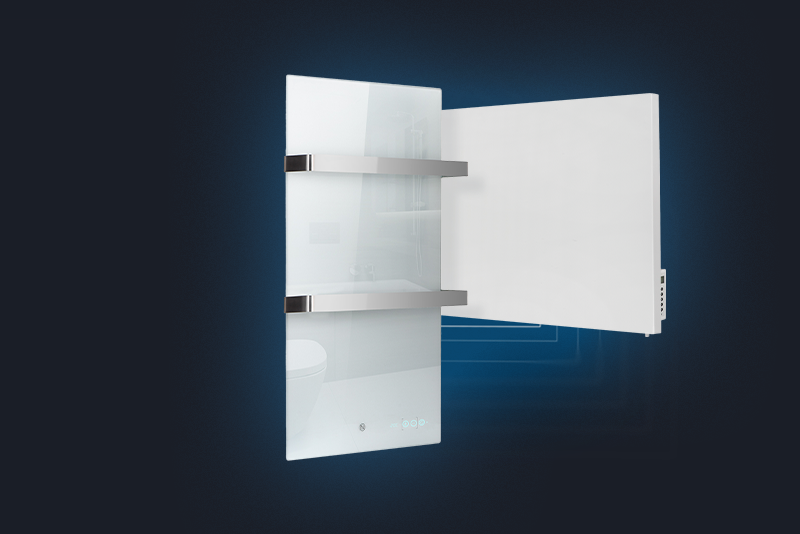
See other components of the TERMOFOL heating system
Expert tips
See all
 General information
Types of Heating Mats. An Overview of TERMOFOL Systems for Indoor and Outdoor Applications
Heating mats today are much more than just underfloor heating for bathrooms. A few years ago, most investors associated heating mats solely with comfortable underfloor heating installed beneath ceramic tiles. Today, the market looks completely different. Modern heating systems include both mats designed for residential interiors and advanced outdoor solutions used to protect driveways, stairs, or […]
 General information
How to Choose a Heating Mat for a Room? A Practical Guide
Choosing the right heating mat is more important than many investors realize. The selection of an appropriate heating mat should not be based solely on the area of the room. In practice, other factors also play a significant role: the heating function, type of flooring, insulation standard of the building, actual heating area, and the way the interior is used. That is why a well-chosen underfloor heating system operates comfortably, efficiently, and energy-saving for many years […]
 General information
Installation of Heating Mats Step by Step – Can You Do It Yourself?
Modern underfloor heating without complicated renovations. A few years ago, installing underfloor heating was mainly associated with major renovations, thick screeds, and complicated hydraulic installations. Today, modern heating mats allow for comfortable underfloor heating to be installed much faster and significantly less invasively. It is the simplicity of installation that has made electric heating mats very popular: during renovations […]
 General information
Heating Mats in Different Types of Properties – Where Do They Make the Most Sense?
Termofol Expert: “Today, heating mats are chosen not only for comfort but primarily for the simplicity and flexibility of the entire system.” Just a few years ago, heating mats were mainly considered an additional solution — most often for bathrooms. Today, from the market perspective, it is clear that their role has significantly changed. Investors increasingly view electric underfloor heating as a conscious element of modern construction, rather than just a comfortable addition.

Configure your set in 2 min

Termofol Newsletter